


What Happened in Safar? Important Events in Islamic History
Safar is one of the most misunderstood months in the Islamic calendar. While some people associate it with bad luck or misfortune, authentic Islamic teachings tell a very different story.
Rather than being a month to fear, Safar was a month in which important events unfolded during the lifetime of Prophet Muhammad ﷺ and the early Muslim community. It also serves as a reminder that blessings and trials come only by the will of Allah, not because of a particular time of year.
Whether you're wondering what happened in Safar, searching for the history of the month, or trying to understand its significance in Islam, this guide brings together authentic historical events, scholarly explanations, and practical lessons for Muslims today.
Safar at a Glance
| Question | Answer |
|---|---|
| What is Safar? | The second month of the Islamic (Hijri) calendar. |
| Is Safar a sacred month? | No. |
| Is Safar mentioned in the Quran? | No. |
| Is Safar an unlucky month? | No. Islam rejects this belief. |
| Can Muslims marry during Safar? | Yes. |
| Can Muslims travel during Safar? | Yes. |
| Should Muslims avoid important decisions? | No. There is no authentic evidence supporting this. |
| Main lesson of Safar | Place your trust in Allah, not superstition. |
Quick Answer: What Happened in Safar?
Safar is the second month of the Islamic calendar, and many significant events in Islamic history took place during it. During the lifetime of Prophet Muhammad ﷺ, several important expeditions occurred in Safar, demonstrating the courage, planning, and reliance on Allah that characterized the early Muslim community. Islam also teaches that Safar is not an unlucky month, rejecting the superstitions that existed before Islam.
This is one of the most important things to understand before exploring the month's history.
Unlike pre-Islamic Arab beliefs, Islam teaches that no month carries inherent bad luck or brings misfortune on its own. Every day and every month belongs to Allah, and all events happen only by His decree.
Understanding the Month of Safar
Before looking at the historical timeline, it's helpful to understand what Safar actually is.
Safar is the second month of the Hijri calendar, immediately following Muharram. Unlike Muharram, which is one of the four sacred months mentioned in the Quran, Safar is not designated as a sacred month.
Before Islam, some Arab tribes held superstitious beliefs about Safar, considering it a month of misfortune. Prophet Muhammad ﷺ corrected these misconceptions and taught Muslims to place their trust in Allah rather than in omens, dates, or months.
Because of this, Safar is remembered not for bad luck but for authentic historical events and timeless lessons in faith, perseverance, and reliance upon Allah.
Timeline of Important Events in Safar
One of the most common questions Muslims ask is, "What happened in the month of Safar?" While Safar is often surrounded by cultural misconceptions, authentic Islamic history tells a very different story.
Throughout the lifetime of Prophet Muhammad ﷺ and the early Muslim community, Safar was a month of planning, courage, trust in Allah, and important milestones that helped shape Islamic history.
Rather than avoiding Safar, Muslims can reflect on these events and draw inspiration from the unwavering faith of those who came before us.
Timeline of Important Events in Safar
| Year (AH) | Event | Why It Matters |
|---|---|---|
| 2 AH | Expedition of Al-Abwa (Waddan) | The first military expedition personally led by Prophet Muhammad ﷺ after the Hijrah. |
| 2 AH | Expedition of Buwat | Continued efforts to protect the Muslim community and establish peace around Madinah. |
| 2 AH | Expedition of Safwan (First Badr) | Demonstrated readiness to defend the growing Muslim community. |
| Various Years | Continued journeys, treaties, and community-building | Safar became another month of action, leadership, and reliance upon Allah—not fear or superstition. |
Key takeaway: Safar is remembered in Islamic history for meaningful events and steadfast faith, not for bad luck or misfortune.
The Expedition of Al-Abwa (Waddan)
One of the earliest and most significant events to take place during Safar was the Expedition of Al-Abwa, also known as the Expedition of Waddan.
Approximately one year after the Hijrah, Prophet Muhammad ﷺ personally led a small group of companions toward the region of Waddan. The objective was not to seek conflict but to monitor Quraysh trade routes and strengthen the security of the Muslim community around Madinah.
Although no battle took place, the expedition resulted in a peace agreement with the tribe of Banu Damrah. This demonstrated that the Prophet ﷺ valued diplomacy, strategic planning, and peaceful cooperation whenever possible.
Why This Matters
This expedition reminds us that strength in Islam is not measured only through confrontation but through wisdom, preparation, and the pursuit of peace.
For Muslims today, Safar serves as a reminder that trust in Allah should be accompanied by thoughtful action. The Prophet ﷺ planned carefully, built relationships, and sought peaceful solutions while relying completely upon Allah.
A Lesson We Can Live Today
Just as the Prophet ﷺ worked to protect vulnerable communities, we are encouraged to care for those facing hardship in our own time.
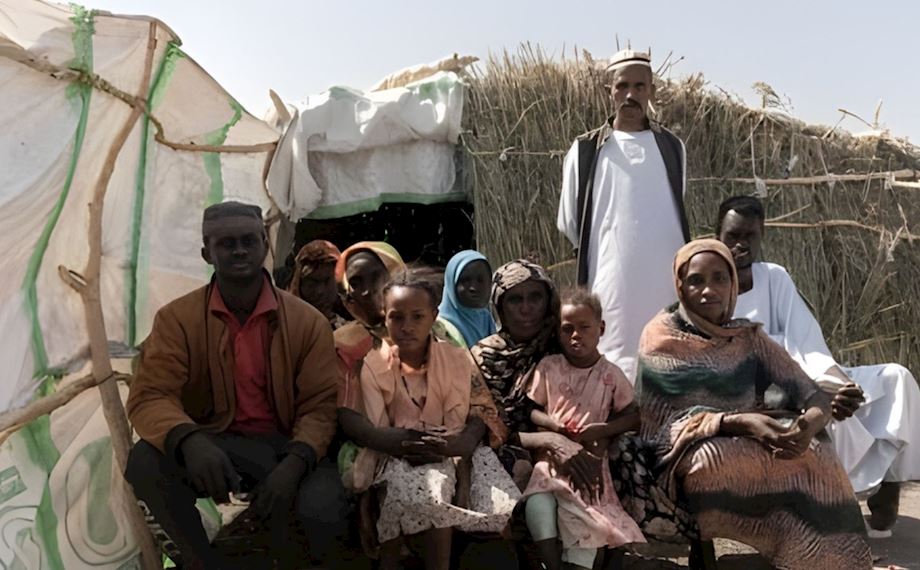
Millions of families around the world continue to endure conflict, hunger, and displacement. Supporting emergency relief efforts is one practical way to embody the Prophetic example of mercy and compassion.
Help families facing crisis today through our Emergency Appeals, providing food, shelter, medical aid, and urgent relief where it is needed most.
The Expedition of Buwat
Later in Safar, Prophet Muhammad ﷺ led another expedition toward Buwat, continuing efforts to safeguard Madinah and monitor potential threats.
Like the Expedition of Al-Abwa, no battle occurred. Instead, these journeys demonstrated the Prophet's ﷺ commitment to protecting the Muslim community while avoiding unnecessary bloodshed.
Every decision reflected careful planning, consultation, and complete reliance upon Allah.
Why This Matters
Many people mistakenly associate Safar with fear and uncertainty.
Yet, Islamic history shows the exact opposite.
Safar was a month of movement, leadership, courage, and proactive service.
Rather than delaying important decisions because of superstition, the Prophet ﷺ continued fulfilling his responsibilities with confidence in Allah.
A Lesson We Can Live Today
The best response to uncertainty is action rooted in faith.
Today, countless children have lost parents because of war, famine, and poverty. Just as the early Muslim community protected one another, we can extend that care by helping vulnerable children build brighter futures.
The Expedition of Safwan (The First Badr)
Another important event associated with Safar is the Expedition of Safwan, often called the First Badr.
After learning of a raid on the outskirts of Madinah, Prophet Muhammad ﷺ led a group of companions in pursuit of those responsible.
Although the raiders had already fled and no battle took place, the expedition demonstrated the Prophet's ﷺ readiness to protect the Muslim community while maintaining justice and order.
Why This Matters
Leadership requires preparedness.
Throughout Safar, the Prophet ﷺ did not allow fear or false beliefs to prevent him from acting responsibly. Instead, every step reflected confidence in Allah combined with practical effort.
His example teaches Muslims that faith is active. We trust Allah while taking the necessary means to protect, support, and uplift others.
A Lesson We Can Live Today
Preparedness is still an act of mercy.
Across the world, communities continue to face emergencies caused by conflict, natural disasters, and extreme poverty. By supporting sustainable projects today, we help families build resilience for tomorrow.
Whether it's providing clean water, supporting livelihoods, or delivering emergency aid, every act of charity reflects the Prophetic tradition of caring for those in need.
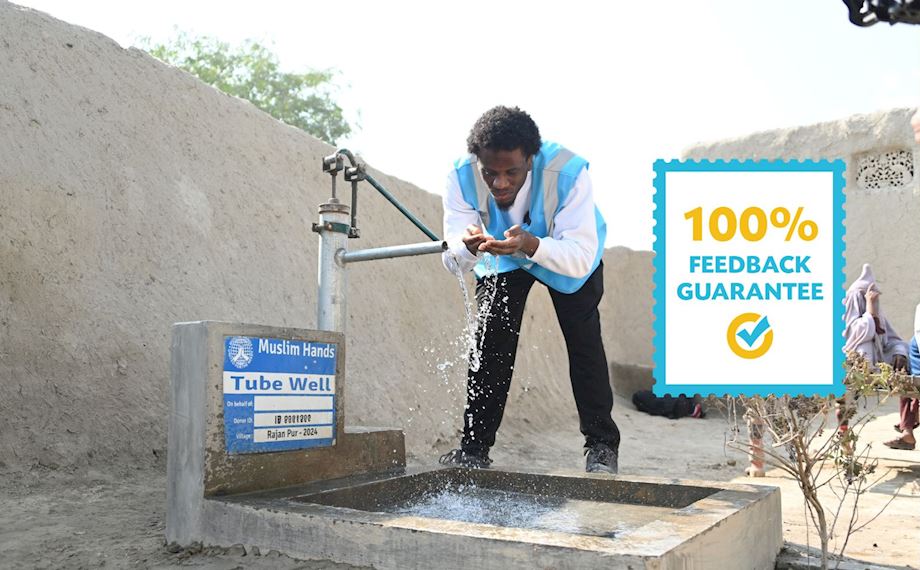
Build a lasting legacy through Sadaqah Jariyah by helping provide clean water, sustainable livelihoods, and hope for generations to come.
Frequently Asked Questions About Safar
Is Safar an unlucky month in Islam?
No. Islam does not teach that Safar is an unlucky month. Prophet Muhammad ﷺ rejected the pre-Islamic belief that Safar brought bad luck or misfortune. Muslims are encouraged to place their trust in Allah rather than superstitions.
Related Reading: Is Safar an Unlucky Month?
What happened in the month of Safar?
Several important events took place during Safar, including the Expedition of Al-Abwa (Waddan), the Expedition of Buwat, and the Expedition of Safwan during the lifetime of Prophet Muhammad ﷺ. These events highlight leadership, preparation, diplomacy, and reliance upon Allah rather than fear or superstition.
Why is the month of Safar important?
Safar is significant because it reminds Muslims that every month is an opportunity to worship Allah and perform righteous deeds. While it is not one of the four sacred months, it contains valuable lessons from the life of Prophet Muhammad ﷺ and the early Muslim community.
Is Safar mentioned in the Quran?
No. The month of Safar is not mentioned by name in the Quran. However, Islamic teachings about avoiding superstition and trusting Allah are found throughout the Quran and the authentic Sunnah.
"There is no 'Adwa (contagion without Allah's permission), no bad omen (tiyarah), no Hamah, and no Safar."
(Sahih al-Bukhari and Sahih Muslim)
This authentic hadith rejects the belief that Safar itself causes misfortune or bad luck.
Can Muslims get married during Safar?
Yes. There is no authentic evidence in the Quran or Sunnah that discourages marriage during Safar. Muslim scholars agree that marriage is permissible in every month unless there is another valid Islamic reason to delay it.
Can you travel during Safar?
Yes. Prophet Muhammad ﷺ and his companions traveled throughout Safar on numerous occasions. Traveling during Safar is completely permissible, and there is no Islamic basis for avoiding travel because of the month.
Can you give charity in Safar?
Absolutely. Charity is encouraged throughout the entire Islamic year, including Safar. There is no evidence that charity given during Safar is less rewarding than in any other month.
Whether you give Sadaqah, Zakat, or Sadaqah Jariyah, every act of generosity benefits those in need and earns reward from Allah.
Related Reading: Can You Give Charity in Safar?
What is the best deed to do in Safar?
There are no acts of worship that are unique to Safar. Muslims should continue performing righteous deeds throughout the month, including:
- Performing the five daily prayers
- Reading and reflecting on the Quran
- Giving Sadaqah
- Maintaining family ties
- Seeking forgiveness
- Making sincere du'a
- Helping those in need
Every month is an opportunity to grow closer to Allah.
Can you pay Zakat during Safar?
Yes. If your Zakat becomes due during Safar, it should be paid without delay. Zakat is based on when your wealth reaches the nisab and completes one lunar year, not on a specific Islamic month.
Related Reading: What Is Zakat?
What lessons can Muslims learn from Safar?
Safar teaches Muslims to reject superstition, strengthen their trust in Allah, prepare wisely for challenges, and remain steadfast in faith. The events of Safar show that success comes through reliance on Allah, careful planning, and serving others with compassion.
How can I honor the month of Safar today?
One of the best ways to honor Safar is by putting its lessons into practice. Rather than fearing the month, use it as an opportunity to strengthen your faith through worship and acts of kindness.
You can make a lasting impact by:
- Providing clean water through a Sadaqah Jariyah project
- Sponsoring an orphan to give a child hope and stability
- Supporting Emergency Appeals for families affected by conflict and disaster
- Giving to the Where Most Needed Fund, allowing your donation to reach communities facing the greatest need
Continue the Legacy of Compassion
The stories of Safar remind us that faith is expressed through action. Every act of generosity reflects the mercy and compassion taught by Prophet Muhammad ﷺ.
Explore ways to make a difference today:
- Build a Well → Give clean water that benefits families for years to come.
- Sponsor an Orphan → Help provide education, healthcare, and daily essentials.
- Emergency Appeals → Deliver urgent food, shelter, and medical aid to families in crisis.
- Hope Shop & Sustainable Livelihoods → Empower families to build lasting independence.
- Where Most Needed Fund → Ensure your donation reaches those facing the greatest hardship.