


Who Can Receive Zakat? 8 Eligible Groups Explained
Who can receive Zakat in Islam? According to the Qur'an, Zakat can be distributed to eight categories of recipients, including people experiencing poverty, those in financial hardship, people with qualifying debts, and stranded travelers. These categories are established by Allah (swt) in Surah At-Tawbah (9:60).
Zakat is one of the five pillars of Islam. It is an obligation that helps support eligible people in need while purifying the wealth of those who pay it. However, not everyone qualifies to receive Zakat, and understanding the rules is an important part of fulfilling this duty.
In this guide, we'll explain the eight categories of Zakat recipients, who is eligible for Zakat, and whether you can donate your Zakat to family members, orphans, widows, and others in need.
The eight categories of Zakat recipients are:
-
The poor (Al-Fuqara)
-
The needy (Al-Masakin)
-
Zakat administrators (Al-Amilina Alayha)
-
Those whose hearts are to be reconciled (Al-Mu'allafatu Qulubuhum)
-
People in bondage (Fir-Riqab)
-
People in debt (Al-Gharimin)
-
Those eligible under the cause of Allah (Fi Sabilillah)
-
Stranded travelers (Ibn As-Sabil)
Who Can Receive Zakat According to the Qur'an?
Allah (swt) identifies the eight categories of people eligible to receive Zakat in Surah At-Tawbah:
“Alms-tax is only for the poor and the needy, for those employed to administer it, for those whose hearts are attracted ˹to the faith˺, for ˹freeing˺ slaves, for those in debt, for Allah’s cause, and for ˹needy˺ travellers. ˹This is˺ an obligation from Allah. And Allah is All-Knowing, All-Wise.”
Qur'an 9:60, Surah At-Tawbah (The Clear Quran, translated by Dr. Mustafa Khattab)
This verse establishes who can receive Zakat and makes clear that its distribution follows specific guidelines in Islam. While many people may need charitable assistance, Zakat must be directed toward recipients who qualify under these categories.
What Are the 8 Categories of Zakat Recipients?
The Qur'an identifies eight categories of Zakat recipients. Each category addresses a particular need, from poverty and financial hardship to debt and circumstances that leave someone without access to essential resources.
Understanding these categories can help Muslims fulfill their Zakat obligation and ensure their donations reach eligible recipients.
1. The Poor (Al-Fuqara)
The first category includes people living in poverty who lack sufficient resources to meet their basic needs. They may struggle to afford essentials such as food, clothing, and shelter.
Zakat can help eligible individuals and families facing poverty meet their immediate needs and find greater financial stability.
2. The Needy (Al-Masakin)
The needy are people who do not have enough resources to meet their essential living expenses, even if they have some income or financial support.
For example, someone may be employed but still struggle to afford food, housing, or other necessities. Having a job does not automatically disqualify someone from receiving Zakat.
The distinction between the poor and the needy can vary across Islamic scholarly interpretations, but both groups are explicitly included in Qur'an 9:60.
3. Zakat Administrators (Al-Amilina Alayha)
This category refers to individuals officially appointed to collect and administer Zakat.
Under Islamic rules, eligible administrators may receive compensation from Zakat funds for their work. This category does not mean that anyone working for a charity automatically qualifies to receive Zakat.
4. Those Whose Hearts Are to Be Reconciled (Al-Mu'allafatu Qulubuhum)
This category refers to people whose hearts are to be reconciled or brought closer to Islam.
Its application has been discussed by Islamic scholars throughout history, including questions about which individuals qualify and under what circumstances.
Because eligibility depends on Islamic legal interpretation, this category should be assessed with appropriate scholarly guidance.
5. People in Bondage (Fir-Riqab)
The fifth category concerns freeing people from bondage.
Historically, Zakat could be used to help secure freedom for enslaved individuals. Scholars have also discussed how this category may apply to certain forms of captivity or exploitation today.
Its modern application requires careful consideration of Islamic legal guidance.
6. People in Debt (Al-Gharimin)
People burdened by qualifying debts may be eligible to receive Zakat when they cannot reasonably repay what they owe.
This may include individuals experiencing serious financial hardship because of debts incurred for permissible needs.
However, not every person with a loan or outstanding balance automatically qualifies. Their financial circumstances and the nature of the debt must be considered.
7. In the Cause of Allah (Fi Sabilillah)
The seventh category is described in the Qur'an as fi sabilillah, meaning “in the cause of Allah.”
Islamic scholars have differed over how broadly this category should be interpreted. Some apply it more narrowly, while others recognize additional qualifying circumstances.
For this reason, not every charitable activity or humanitarian project automatically qualifies for Zakat under this category.
8. Stranded Travelers (Ibn As-Sabil)
The final category includes travelers who become stranded or lack access to the resources needed to continue their journey or return home.
A traveler may qualify for assistance even if they have financial resources elsewhere but cannot access them during their journey.
This category recognizes the hardship someone can face when separated from the means to meet their immediate travel needs.
Together, these eight categories establish the foundation for Zakat distribution in Islam. While their circumstances differ, each represents a form of eligibility recognized in the Qur'an.
Who Is Eligible for Zakat? Understanding the Requirements
A person may be eligible to receive Zakat if their circumstances fall within one of the eight categories identified in Qur'an 9:60. For those experiencing poverty or financial hardship, eligibility depends on their financial situation, not simply whether they are employed or receive an income.
A narration from Ibn Abbas (ra) describes Zakat al-Fitr as a means of providing food for the poor.
Source: Sunan Abi Dawud 1609.
When determining whether someone qualifies for Zakat, several factors may need to be considered:
-
Income and savings: Does the person have enough available money to meet their essential living expenses?
-
Basic necessities: Can they afford food, clothing, housing, and other essential needs?
-
Financial obligations: Are they struggling with qualifying debts they cannot reasonably repay?
-
Household circumstances: Do they have dependents or other essential expenses that affect their financial situation?
-
Access to resources: Do they have wealth or financial support they can realistically use to meet their needs?
Can Someone Who Works Still Receive Zakat?
Yes. Having a job does not automatically disqualify someone from receiving Zakat. A person may earn an income but still be unable to cover essential expenses for themselves or their dependents.
Eligibility depends on their overall financial circumstances and the applicable Islamic guidelines.
Can Someone Who Owns Nisab Receive Zakat?
Nisab is the minimum wealth threshold used when determining the obligation to pay Zakat. However, the rules for receiving Zakat require separate consideration.
Under some Islamic legal interpretations, possessing wealth at or above the applicable Nisab threshold can affect eligibility to receive Zakat based on poverty or need. Other circumstances, including qualifying debt or travel hardship, may be assessed differently.
Because these rules can vary according to Islamic jurisprudence, anyone uncertain about a particular situation should consult a qualified Islamic scholar.
Not sure how much Zakat you need to pay? Use the Muslim Hands USA Zakat Calculator to help calculate your obligation.
Can You Give Zakat to Family Members?
Yes, you can give Zakat to certain family members if they meet the Islamic requirements for receiving it. In fact, supporting an eligible relative can be a meaningful way to fulfill your Zakat obligation while strengthening family ties.
However, eligibility depends on your relationship to the recipient, their financial circumstances, and whether you are already responsible for their financial support.
Can You Give Zakat to Your Brother or Sister?
Yes. Brothers and sisters experiencing financial hardship may be eligible to receive Zakat, provided they meet the relevant Islamic requirements.
For example, a sibling who cannot afford essential living expenses or is struggling with qualifying debt may be eligible for assistance.
Can You Give Zakat to Your Parents or Children?
Generally, you cannot give Zakat to your parents, grandparents, children, or grandchildren to cover living expenses you are religiously obligated to provide.
This is because Zakat should not be used to replace your existing financial responsibilities toward dependents.
Some circumstances, including particular types of debt, involve additional scholarly considerations. Consult a qualified Islamic scholar before making an exception.
Can You Give Zakat to Extended Family or In-Laws?
Eligible relatives such as aunts, uncles, cousins, and certain in-laws may receive Zakat if they meet the requirements.
For example, a mother-in-law experiencing financial hardship may qualify, provided the donation does not replace a financial obligation that applies to the person paying Zakat.
Before distributing Zakat to a relative, confirm their eligibility and consider whether you have a religious obligation to support them.
Helping an eligible family member through Zakat can fulfill an important act of worship while offering meaningful assistance to someone close to you.
Who Cannot Receive Zakat?
Although Islam encourages Muslims to help those in need, not everyone is eligible to receive Zakat. Unlike voluntary Sadaqah, Zakat must be distributed according to the categories established in Qur'an 9:60.
Generally, the following people cannot receive Zakat under the category of poverty or financial need:
-
Financially secure individuals: People who have sufficient accessible resources to meet their essential needs generally do not qualify as poor or needy.
-
Certain financially dependent relatives: Parents, grandparents, children, and grandchildren generally cannot receive your Zakat to cover expenses you are religiously obligated to provide.
-
A spouse whose maintenance you are obligated to provide: Zakat generally cannot replace required spousal financial support. Other circumstances and scholarly opinions may differ.
-
People who do not meet an eligible category: Experiencing a financial inconvenience or requesting assistance does not automatically establish Zakat eligibility.
Can You Give Zakat to Someone Who Is Not Poor?
In certain circumstances, yes. Although poverty and financial need are two major categories of Zakat recipients, Qur'an 9:60 identifies six additional categories.
For example, a stranded traveler who cannot access their money may qualify for assistance even if they have wealth elsewhere. Other categories have their own eligibility requirements.
This is why Zakat eligibility should be assessed according to the person's circumstances and the relevant Islamic guidelines.
What If Someone Does Not Qualify for Zakat?
Someone who does not qualify for Zakat may still be eligible for voluntary Sadaqah. Islam encourages generosity beyond obligatory Zakat, allowing Muslims to support people facing a wide range of difficulties.
Understanding the difference helps ensure that Zakat is distributed appropriately while other charitable donations can continue to support those in need.
Can Orphans, Widows, and Refugees Receive Zakat?
Yes, orphans, widows, and refugees may be eligible to receive Zakat if their circumstances meet the requirements established in Islam. However, belonging to one of these groups does not automatically make someone eligible. Their financial situation and the relevant categories in Qur'an 9:60 must be considered.
Can Orphans Receive Zakat?
Orphans who lack sufficient financial resources may qualify for Zakat under the categories of the poor or needy.
For example, an orphan who cannot afford essential needs such as food, clothing, or shelter may be eligible for assistance. However, an orphan who has sufficient financial resources does not automatically qualify simply because they have lost a parent.
Supporting vulnerable orphans is strongly encouraged in Islam, but Zakat eligibility must still be established.
Can Widows Receive Zakat?
Yes, widows experiencing poverty or financial hardship may qualify for Zakat.
A widow who struggles to afford basic necessities or provide for her dependents may be eligible under the categories of the poor or needy. However, widowhood alone does not establish eligibility.
Zakat can offer important financial assistance to eligible widows and families facing hardship.
Can Refugees Receive Zakat?
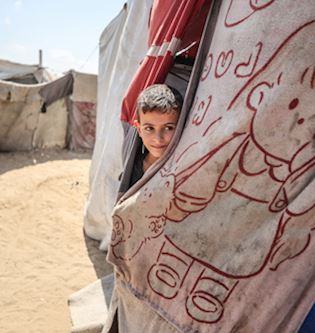
Refugees and displaced individuals may qualify for Zakat if they fall within one of the eight eligible categories.
Families who have lost access to their income, savings, or essential resources may qualify as poor or needy. Some displaced individuals may also meet the requirements of another category, depending on their circumstances.
However, refugee status alone does not automatically establish Zakat eligibility. Each person's situation must be considered according to Islamic guidelines.
Your Zakat can support eligible people facing poverty and hardship.
Who Can Receive Zakat al-Fitr?
Zakat al-Fitr, also known as Fitrana, is a charitable obligation associated with the end of Ramadan. Unlike Zakat al-Mal, which is calculated on qualifying wealth, Zakat al-Fitr is intended to help those in need around Eid al-Fitr.
Who Is Eligible to Receive Zakat al-Fitr?
Zakat al-Fitr is primarily distributed to people experiencing poverty and financial need, helping them meet essential needs during Eid.
Islamic scholars differ on whether Zakat al-Fitr may be distributed to all eight categories mentioned in Qur'an 9:60 or should be restricted to the poor and needy.
What Is the Difference Between Zakat al-Mal and Zakat al-Fitr?
Zakat al-Mal is an obligatory payment calculated on qualifying wealth when the relevant conditions are met. Its eight recipient categories are established in Qur'an 9:60.
Zakat al-Fitr is a separate obligation connected to Ramadan and must be distributed within its prescribed timeframe. Its amount and distribution follow specific Islamic guidelines.
How Can Your Zakat Help People in Need?
For families struggling with poverty, access to food, healthcare, and other basic necessities can make an important difference in their daily lives. Your Zakat is an opportunity to fulfill an obligation to Allah (swt) while supporting people facing serious hardship.
Through its Zakat-eligible programs, Muslim Hands USA supports people facing hardship with emergency assistance, food, healthcare, education, and livelihood opportunities. Its Zakat appeal also highlights projects such as Hope Shops, which help disadvantaged families work toward earning an income.
Whether a family is struggling to afford food or facing hardship after an emergency, your Zakat can help provide essential assistance through qualifying programs.
Fulfill your Zakat obligation and help eligible families in need.
Frequently Asked Questions About Zakat Eligibility
Can You Give Zakat to Someone Without Telling Them?
Generally, yes. You do not necessarily have to tell an eligible recipient that the money they receive is Zakat.
However, you must have the intention of fulfilling your Zakat obligation, and the payment must meet the applicable Islamic requirements.
Can You Give Zakat to Someone Who Is Not Muslim?
Under the majority of traditional Islamic scholarly interpretations, Zakat is generally distributed to eligible Muslims.
However, scholars have discussed exceptions and the application of the Qur'anic category of those whose hearts are to be reconciled.
Voluntary Sadaqah can also be used to support people in need regardless of their faith.
Can Zakat Be Given on Behalf of Someone Else?
A person may arrange for someone else to pay Zakat on their behalf, provided the applicable requirements, including authorization and intention, are fulfilled.
The exact requirements can depend on the circumstances, so consult a qualified Islamic scholar if you are unsure.
Can Zakat Be Donated at Any Time of the Year?
Yes. Zakat al-Mal is not restricted to Ramadan. It becomes due when the applicable conditions are met, including the relevant Nisab and lunar-year requirements.
Many Muslims choose to pay Zakat during Ramadan, but it remains an obligation throughout the year whenever payment becomes due.
If you are unsure how much you owe, use the Muslim Hands USA Zakat Calculator to help determine your Zakat amount.
Donate Your Zakat With Muslim Hands USA
Every Zakat donation carries a responsibility to support those who are eligible to receive it. By donating through Muslim Hands USA, you can fulfill your obligation while helping people facing poverty and hardship.