


Salat al-Istisqa: How to Pray the Islamic Prayer for Rain
Salat al-Istisqa: How to Pray the Islamic Prayer for Rain
When rain is scarce and the land is dry, Muslims are taught to turn to Allah in prayer and ask for His mercy. Salat al-Istisqa, also known as the Islamic prayer for rain, is a Sunnah prayer performed when seeking rain from Allah during times of drought or water scarcity.
The Prophet Muhammad (peace be upon him) performed Salat al-Istisqa and made sincere dua for rain. This prayer is a reminder that water is a blessing from Allah and that we depend upon Him for the rain that sustains people, animals and the earth.
In this guide, we explain the meaning of Salat al-Istisqa, how to pray it, how many rak'ahs it has and the duas Muslims can make when asking Allah for rain.
Quick Answer: What Is Salat al-Istisqa?
Salat al-Istisqa is the Islamic prayer for rain. It is a Sunnah prayer performed when Muslims seek rain from Allah during drought or a shortage of water. The Prophet Muhammad (peace be upon him) performed two rak'ahs, made dua, faced the qiblah and turned his cloak while asking Allah for rain.
What Is Salat al-Istisqa?
Salat al-Istisqa is a Sunnah prayer performed to ask Allah for rain during times of drought or water scarcity. The word Istisqa refers to seeking or asking for water.
The practice comes from the Sunnah of the Prophet Muhammad (peace be upon him). Abdullah ibn Zaid (may Allah be pleased with him) reported that the Prophet (peace be upon him) went out to the prayer place to ask Allah for rain. He faced the qiblah, made supplication, turned his cloak and prayed two rak'ahs. This is recorded in Sahih al-Bukhari.
Salat al-Istisqa is therefore more than a prayer for a change in weather. It is an act of worship that reminds Muslims to turn to Allah in times of need, seek His mercy and recognize that rain and water are blessings that come by His will.
The prayer is generally performed when a community is experiencing a lack of rain and is seeking relief from Allah. Some details of how Salat al-Istisqa is performed differ among Islamic schools of thought, but the Sunnah clearly establishes the prayer, supplication for rain and two rak'ahs.
Is Salat al-Istisqa Sunnah?
Yes. Salat al-Istisqa is established in the Sunnah of the Prophet Muhammad (peace be upon him). Authentic narrations describe the Prophet (peace be upon him) praying two rak'ahs and making dua to Allah for rain.
This makes Salat al-Istisqa a beautiful example of turning directly to Allah during hardship and placing our trust in His mercy.
How to Pray Salat al-Istisqa
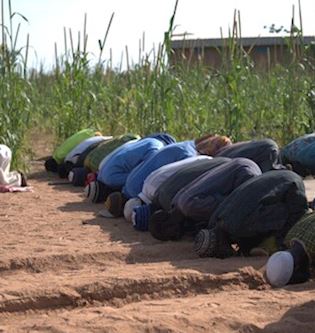
Salat al-Istisqa is performed as two rak'ahs of prayer accompanied by sincere dua asking Allah for rain. Authentic narrations describe the Prophet Muhammad (peace be upon him) going out to the prayer place, facing the qiblah, making supplication, turning his cloak and praying two rak'ahs.
A simple overview of Salat al-Istisqa is:
-
Gather for the prayer. Salat al-Istisqa may be performed as a community when rain is needed.
-
Pray two rak'ahs. The Prophet (peace be upon him) performed two rak'ahs when praying for rain.
-
Make sincere dua for rain. Ask Allah for beneficial rain, mercy and relief.
-
Face the qiblah during the supplication. Authentic narrations describe the Prophet (peace be upon him) turning toward the qiblah while making dua.
-
Turn the cloak or outer garment. The Prophet (peace be upon him) turned his cloak while seeking rain from Allah.
There are differences among Islamic schools of thought regarding some details of Salat al-Istisqa, including aspects of the khutbah and additional takbirs. For specific guidance on how the prayer is performed according to your school of thought, follow a trusted local scholar or imam.
How Many Rak'ahs Is Salat al-Istisqa?
Salat al-Istisqa consists of two rak'ahs. Abdullah ibn Zaid (may Allah be pleased with him) narrated that the Prophet Muhammad (peace be upon him) went out to seek rain and prayed two rak'ahs, reciting aloud.
The two-rak'ah prayer is accompanied by sincere supplication and reliance upon Allah for rain and relief.
What Is the Dua for Rain in Islam?
When Muslims are asking Allah to send rain, they can make sincere dua for beneficial rainfall and relief. One short supplication reported from the Prophet Muhammad (peace be upon him) is:
اللَّهُمَّ أَغِثْنَا
Allahumma aghithna
Meaning: “O Allah, send us rain.”
The Prophet (peace be upon him) repeated this supplication three times while asking Allah for rain.
Muslims may also make personal dua, asking Allah for beneficial rain, relief from drought and mercy for people, animals and the land.
What Do You Say When It Rains in Islam?
There is a difference between making dua for rain to come and making dua when rain is already falling.
When the Prophet Muhammad (peace be upon him) saw rain, he would say:
اللَّهُمَّ صَيِّبًا نَافِعًا
Allahumma sayyiban nafi'an
Meaning: “O Allah, make it a beneficial rain.”
This short dua reminds us that rain is a blessing from Allah and that we should ask Him to make it beneficial.
Dua for Rain vs. Dua When It Rains
If you are asking Allah to send rain, you can say:
Allahumma aghithna
“O Allah, send us rain.”
If rain has already begun falling, you can say:
Allahumma sayyiban nafi'an
“O Allah, make it a beneficial rain.”
Remembering the difference makes it easier to follow the Sunnah at the appropriate time.
What Is the Dua for Heavy Rain?
Rain is a blessing, but heavy rainfall can sometimes cause harm. When rain became excessive, the Prophet Muhammad (peace be upon him) asked Allah to redirect it:
اللَّهُمَّ حَوَالَيْنَا وَلَا عَلَيْنَا
Allahumma hawalayna wa la 'alayna
Meaning: “O Allah, around us and not upon us.”
The supplication continues by asking Allah to send the rain upon the surrounding hills, mountains, valleys and places where it can bring benefit.
This teaches us to ask Allah not simply for rain, but for rain that is beneficial and does not cause harm.
Rain and Water in Islam
Water is one of Allah's greatest blessings. The Quran repeatedly draws our attention to rain, the revival of the earth and the water that sustains life.
Allah says:
“And We made from water every living thing.”
Quran 21:30
Rain can therefore be a powerful reminder of our dependence on Allah. We may have access to water every day without thinking about where it comes from, but Salat al-Istisqa reminds us how quickly that perspective changes when water becomes scarce.
For Muslims, water is also part of daily worship. We use it for wudu, cleanliness and preparing ourselves for prayer. Protecting access to clean water and helping those who live without a reliable source of it can turn gratitude into meaningful action.
Read More: World Water Week 2026: Why Clean Water Still Matters
Water as a Sadaqah Jariyah
Salat al-Istisqa reminds us that access to water should never be taken for granted. For communities without a reliable source of clean water, that need can shape everyday life.
Providing access to water can also be a form of Sadaqah Jariyah, an ongoing charity that continues to benefit others. A water source can serve families and communities long after the initial donation is made.
Read More: Donate a Water Well in Someone's Name: 2026 Cost & Gift Guide
Help Provide Clean Water
While we turn to Allah through dua and prayer, we can also use the blessings He has given us to help others.
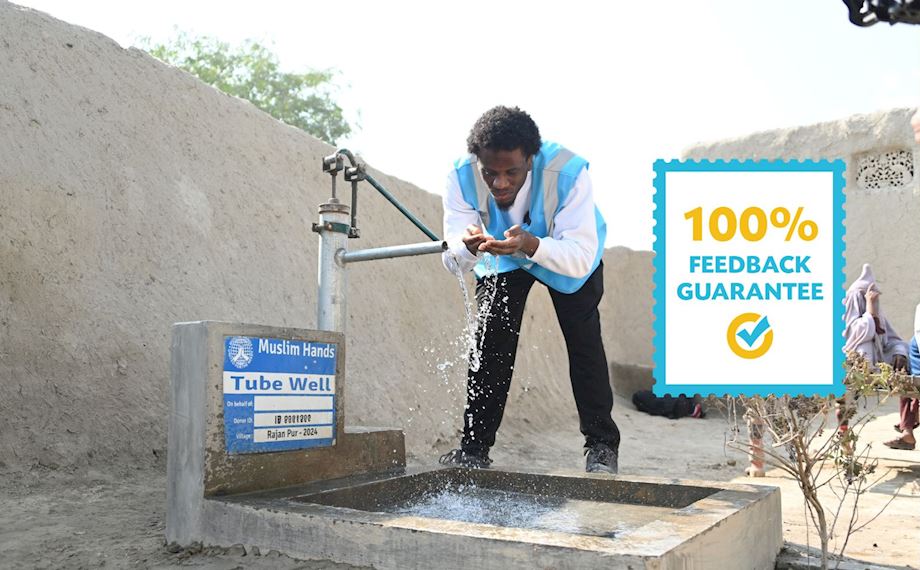
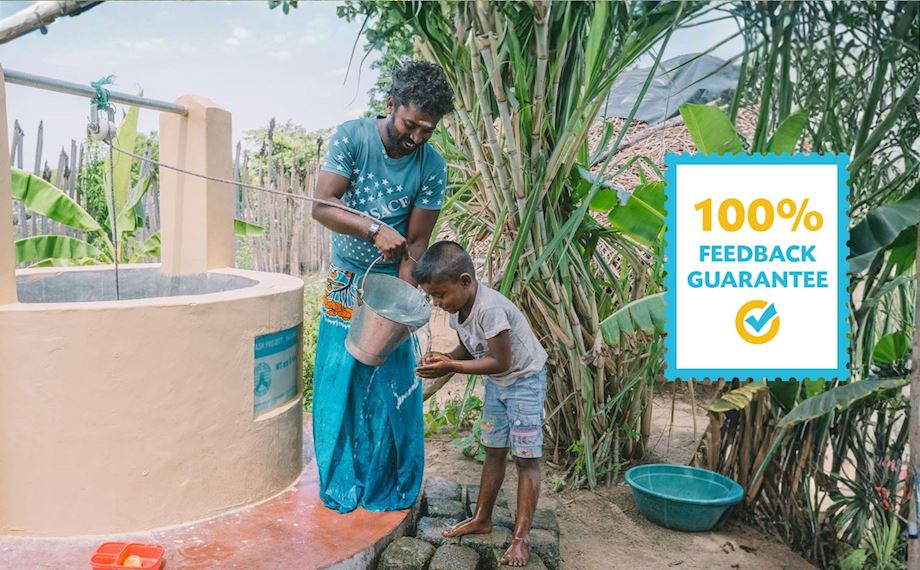
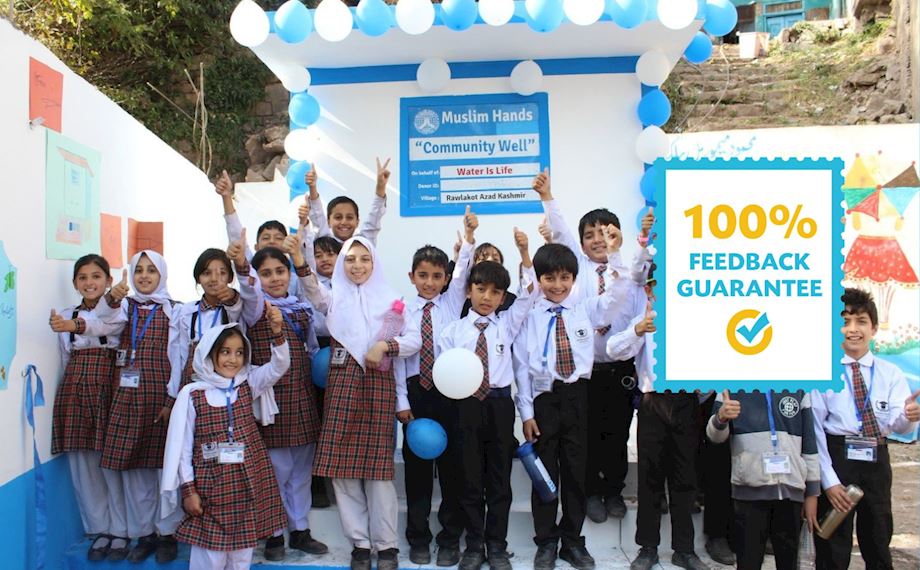
Through Muslim Hands, you can help provide communities with access to clean water through projects including Tube Wells, Dig-a-Wells and Community Wells. Your donation can help create a reliable source of water for people who need it.
Help provide clean water to a community in need.
Frequently Asked Questions About Salat al-Istisqa
What does Salat al-Istisqa mean?
Salat al-Istisqa is the Islamic prayer for rain. The term Istisqa refers to seeking water or rain. Muslims perform this Sunnah prayer when asking Allah for rainfall during times of drought or water scarcity.
How many rak'ahs is Salat al-Istisqa?
Salat al-Istisqa consists of two rak'ahs. Authentic narrations describe the Prophet Muhammad (peace be upon him) praying two rak'ahs when seeking rain from Allah.
How do you pray Salat al-Istisqa?
Salat al-Istisqa is performed as two rak'ahs accompanied by sincere supplication for rain. Narrations also describe the Prophet (peace be upon him) facing the qiblah and turning his cloak while making dua. Some additional details of the prayer differ among Islamic schools of thought.
What is the Islamic prayer for rain called?
The Islamic prayer for rain is called Salat al-Istisqa, or the Istisqa prayer. It is a Sunnah prayer performed to seek rain and mercy from Allah.
What is the dua for rain in Islam?
One short dua for asking Allah to send rain is:
Allahumma aghithna
Meaning: “O Allah, send us rain.”
The Prophet Muhammad (peace be upon him) repeated this supplication while asking Allah for rainfall.
What should Muslims say when it rains?
When rain begins to fall, the Prophet Muhammad (peace be upon him) would say:
Allahumma sayyiban nafi'an
Meaning: “O Allah, make it a beneficial rain.”
This is different from asking Allah to send rain. It is a supplication asking Him to make the rain that is already falling beneficial.