


Charity in Islam: Meaning, Types, Rewards & How to Give
Charity in Islam at a Glance
| Quick Answer | Explanation |
|---|---|
| What is charity in Islam? | Charity in Islam is any act of giving or kindness performed sincerely for the sake of Allah. It includes both obligatory charity (Zakat) and voluntary charity (Sadaqah). |
| Is charity important in Islam? | Yes. Charity is a central act of worship that purifies wealth, supports those in need, and strengthens communities. |
| What are the main types of charity? | Zakat, Sadaqah, and Sadaqah Jariyah (ongoing charity). |
| Does charity have to be money? | No. Kindness, sharing knowledge, removing harm from a path, and even a smile are all forms of charity in Islam. |
| What is the best charity? | The Qur'an and authentic hadith encourage many forms of charity. The best charity often depends on the needs of the people being helped and the sincerity of the giver. |
| When should Muslims give charity? | Charity can be given throughout the year. While certain times such as Ramadan and the sacred months are especially blessed, generosity is encouraged every day. |
What is Charity in Islam?
Charity in Islam is far more than giving money. It is an act of worship that reflects faith, compassion, gratitude, and social responsibility. Every act of generosity performed sincerely for the sake of Allah has value, whether it is supporting a family in need, helping a neighbor, offering kind words, or providing lasting benefits to an entire community.
The two primary forms of charitable giving in Islam are Zakat, which is obligatory for eligible Muslims, and Sadaqah, which is voluntary and can take many forms. Islam also encourages Sadaqah Jariyah, or ongoing charity, whose rewards continue long after it is given through projects that provide lasting benefit, such as clean water, education, or healthcare.
Charity is not simply a recommendation in Islam. It is woven throughout the Qur'an and the Sunnah of the Prophet ﷺ as a means of purifying wealth, caring for the vulnerable, and strengthening society. Allah repeatedly commands believers to spend from what He has provided, reminding Muslims that true righteousness includes generosity toward others.
Allah says:
"Righteousness is not that you turn your faces toward the east or the west, but true righteousness is in one who believes in Allah... and gives wealth, in spite of love for it, to relatives, orphans, the needy, the traveler, those who ask for help, and for freeing those in bondage."
(Qur'an 2:177)
This verse highlights an important principle: charity is not measured only by its amount but by sincerity, sacrifice, and concern for others. A small gift given with a sincere intention may carry immense weight with Allah.
The Prophet Muhammad ﷺ further expanded the meaning of charity by teaching that generosity extends beyond financial donations. Every beneficial act performed with a sincere intention can become an act of worship.
As he ﷺ said:
"Every act of goodness is charity."
(Sahih Muslim)
Why Is Charity Important in Islam?
Charity is one of the foundations of Islam because it strengthens a person's relationship with Allah while protecting the dignity and well-being of others. Through charity, Muslims acknowledge that everything they possess ultimately belongs to Allah and that wealth is a trust to be used responsibly. Every act of giving, whether obligatory or voluntary, reflects gratitude, compassion, and a commitment to justice.
The Qur'an repeatedly encourages believers to spend from what Allah has provided, reminding Muslims that true success is found not only in what they earn but also in how they use their blessings to benefit others. Charity therefore serves both a spiritual purpose, by bringing a person closer to Allah, and a social purpose, by helping build stronger, more caring communities.
Charity Is an Act of Worship
In Islam, charity is much more than generosity. It is an act of ʿibādah (worship) performed to seek the pleasure of Allah. Like prayer, fasting, and pilgrimage, charity is accepted when it is accompanied by sincerity (ikhlāṣ) and a sincere intention (niyyah).
Unlike acts of generosity performed for recognition or praise, Islamic charity is rooted in the desire to please Allah alone. Whether a person gives a large donation or performs a small act of kindness, the value of that deed is measured by sincerity rather than its monetary value.
Allah describes the reward of sincere charity with a powerful example:
"The example of those who spend their wealth in the way of Allah is like that of a grain that grows seven ears; in every ear is one hundred grains. And Allah multiplies the reward for whom He wills. And Allah is All-Encompassing and All-Knowing."
(Qur'an 2:261)
This verse reminds believers that no sincere act of charity is ever lost. Allah alone knows its true value and has the power to multiply its reward far beyond what a person could imagine.
Charity Purifies Wealth and the Heart
One of the unique aspects of charity in Islam is that it benefits both the recipient and the giver.
The word Zakat itself comes from an Arabic root meaning purification and growth. By fulfilling this obligation, Muslims purify their wealth while acknowledging that every blessing comes from Allah.
Allah says:
"Take, [O Muhammad], from their wealth a charity by which you purify them and cause them increase..."
(Qur'an 9:103)
Charity also helps purify the heart by reducing greed, selfishness, and excessive attachment to worldly possessions. It reminds believers that wealth is temporary, while the rewards earned through sincere giving can endure into the Hereafter.
The Qur'an further teaches:
"Never will you attain righteousness until you spend from that which you love. And whatever you spend, indeed Allah is Knowing of it."
(Qur'an 3:92)
True generosity is not measured by giving what is left over, but by willingly sharing blessings that are valued and cherished.
Charity Strengthens Communities
Islam teaches that caring for others is a shared responsibility. Charity helps ensure that vulnerable members of society are not forgotten and that communities are built on compassion rather than inequality.
Throughout history, charitable giving has helped provide food for hungry families, shelter for those displaced by conflict, clean water for communities without reliable access, healthcare for the sick, education for children, and support for orphans, widows, and those facing financial hardship.
This emphasis on mutual care creates stronger communities where people support one another during times of ease and hardship alike. Charity therefore becomes more than individual generosity; it is a means of preserving dignity, reducing hardship, and strengthening the bonds between people.
Charity Benefits the Giver
While charity transforms the lives of those who receive it, Islam also teaches that it transforms the person who gives.
Giving regularly nurtures gratitude, humility, compassion, and trust in Allah. It reminds believers that true wealth is not measured by what they possess but by how they use their blessings to benefit others.
The Prophet Muhammad ﷺ said:
"Charity does not decrease wealth."
(Sahih Muslim)
Although charity may appear to reduce one's possessions, Allah promises blessings that extend far beyond material wealth. Those blessings may come through increased barakah, peace of mind, stronger faith, protection from hardship, or reward in the Hereafter.
For this reason, Muslims are encouraged to make charity a consistent part of their lives rather than limiting it to a single season or occasion. Whether given during Ramadan, Muharram, or any other time of year, every sincere act of generosity brings a believer closer to Allah while bringing hope to those in need.
Types of Charity in Islam
Charity in Islam is not limited to one form of giving. Rather, Islam provides several ways for Muslims to support those in need, each serving a unique purpose while seeking the pleasure of Allah.
The three primary forms of charitable giving are Zakat, Sadaqah, and Sadaqah Jariyah. While all three help those in need and earn reward from Allah, they differ in their purpose, obligation, and long-term impact.
Understanding these differences helps Muslims fulfill their religious obligations correctly while choosing additional acts of generosity that best reflect their intentions and circumstances.
| Type | Required? | Purpose | Examples |
|---|---|---|---|
| Zakat | Yes, for eligible Muslims | Purifies wealth and fulfills one of the Five Pillars of Islam | Giving through a Zakat Fund to eligible recipients |
| Sadaqah | No | Voluntary charity given at any time | Feeding families, supporting emergency relief, helping a neighbor |
| Sadaqah Jariyah | No | Ongoing charity that continues benefiting others over time | Building wells, supporting education, funding sustainable community projects |
Zakat: Obligatory Charity
Zakat is one of the Five Pillars of Islam and an obligation upon every Muslim who meets the required financial threshold, known as the Nisab. It is not simply a charitable donation but an act of worship that purifies wealth while ensuring that those facing hardship receive their rightful share.
Unlike voluntary charity, Zakat has specific rules governing who must pay it, how it is calculated, and who may receive it. The Qur'an identifies eight categories of eligible recipients, ensuring that Zakat reaches those most in need while strengthening the social fabric of the Muslim community.
For Muslims who are eligible, paying Zakat is both a spiritual obligation and a means of helping families struggling with poverty, debt, displacement, and other forms of hardship.
Looking to fulfill your Zakat?
Muslim Hands USA's Zakat Fund distributes eligible Zakat according to the categories outlined in the Qur'an, helping vulnerable families receive food, healthcare, emergency assistance, and other essential support.
Sadaqah: Voluntary Charity
While Zakat is required, Sadaqah is entirely voluntary and can be given at any time. There is no minimum amount, no annual calculation, and no restriction to a particular season. Whether someone gives a large donation or a small act of kindness, every sincere deed performed for the sake of Allah carries value.
The Prophet Muhammad ﷺ expanded the understanding of charity by teaching that generosity extends far beyond wealth. Smiling at another person, offering helpful advice, removing something harmful from a pathway, visiting the sick, and supporting a neighbor are all examples of Sadaqah when done sincerely for Allah.
Financial Sadaqah also provides Muslims with an opportunity to respond to immediate needs around the world, helping families affected by conflict, hunger, natural disasters, and poverty.
Some meaningful ways to give Sadaqah through Muslim Hands USA include:
- Food Fund to help families facing hunger.
- Gaza Emergency Appeal to provide emergency food and shelter.
- Sudan Emergency Appeal to support families affected by conflict with food and medical aid.
- Yemen Emergency Fund to help provide food, healthcare, and emergency assistance.
These projects allow donors to respond to urgent humanitarian needs while practicing voluntary charity throughout the year.
Sadaqah Jariyah: Charity That Continues to Give
One of the most beloved forms of voluntary charity is Sadaqah Jariyah, often translated as ongoing charity or continuous charity.
Unlike one-time acts of giving, Sadaqah Jariyah continues benefiting people long after the initial donation. As long as others continue to benefit, the donor continues to receive reward by the permission of Allah.
The Prophet Muhammad ﷺ said:
"When a person dies, all of his deeds come to an end except three: ongoing charity, beneficial knowledge, or a righteous child who prays for him."
(Sahih Muslim)
This hadith highlights why many Muslims choose projects that create lasting benefits for communities.
Examples of Sadaqah Jariyah include:
- Providing access to clean water.
- Supporting education.
- Building community facilities.
- Funding sustainable livelihood projects.
- Planting beneficial trees.
- Supporting healthcare initiatives that continue serving people.
Muslim Hands USA offers several opportunities for ongoing charity, including:
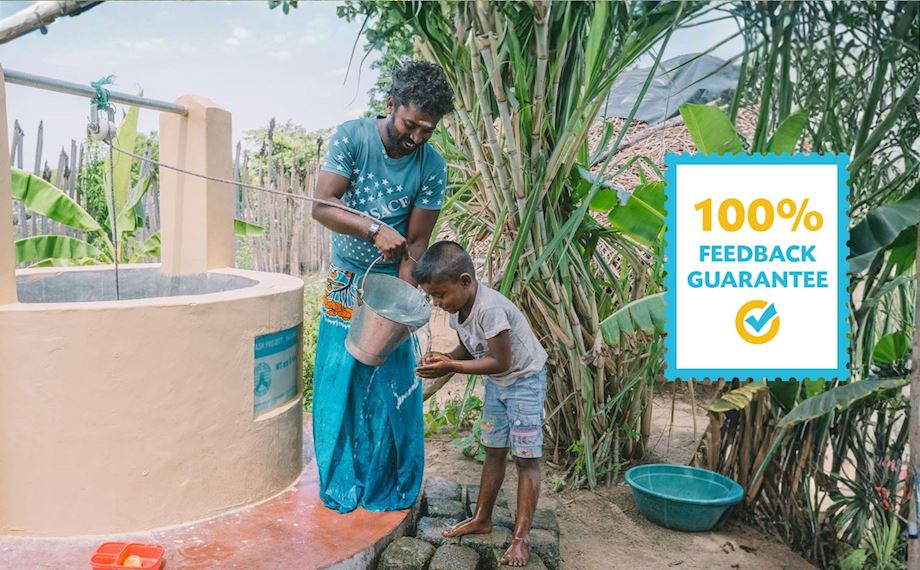
- Tube Well – providing reliable access to clean water for families.
- Dig-a-Well – Supply clean water for 35 families.
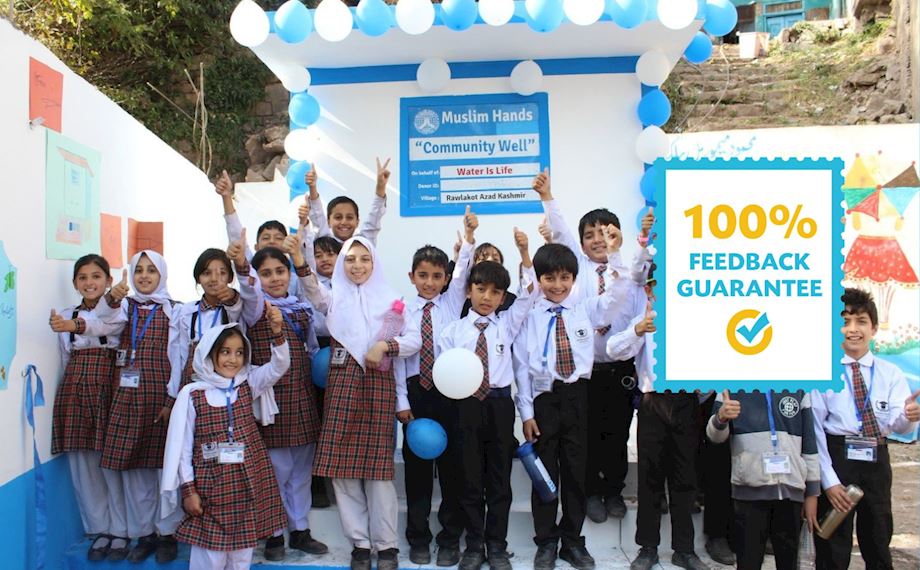
- Community Well- serving larger communities with sustainable water access.
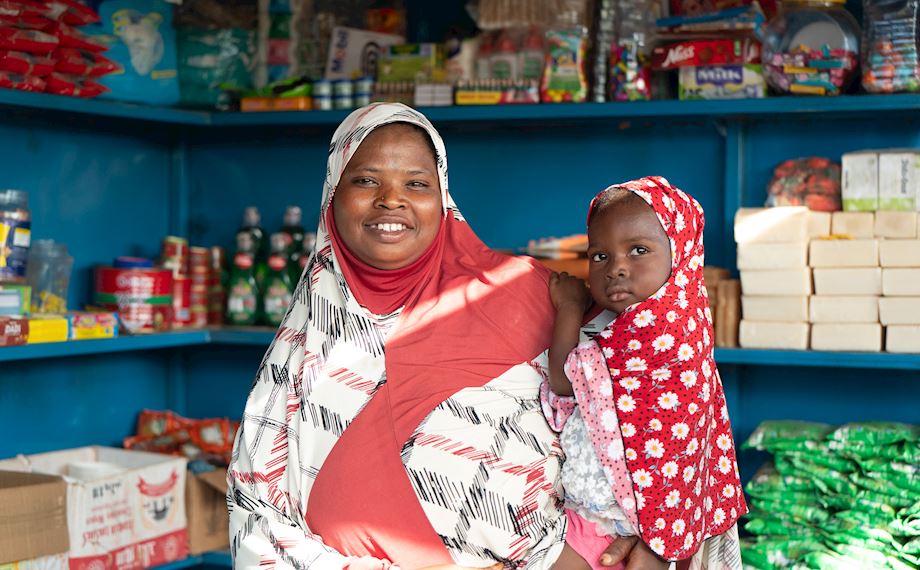
- Hope Shop – helping families build long-term financial independence through sustainable livelihoods.
These projects continue benefiting communities long after they are completed, making them meaningful examples of Sadaqah Jariyah.
What Is the Best Charity in Islam?
Many Muslims ask, "What is the best charity in Islam?" The answer is not always the same, because the greatest act of charity often depends on the needs of the people being helped and the intention of the person giving.
Islam encourages believers to respond to hardship wherever it exists. Sometimes the greatest need is food for a hungry family. At other times, it may be clean water for an entire village, medical care for someone who cannot afford treatment, or shelter for families displaced by conflict. Every sincere act of charity has value when it is given for the sake of Allah.
The Prophet Muhammad ﷺ was asked which charity was best, and he replied:
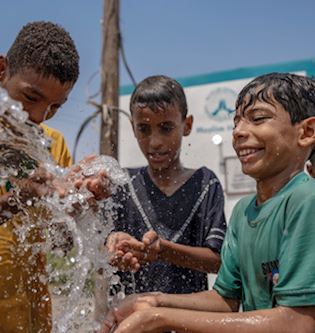
"Giving water."
(Musnad Ahmad)
This hadith highlights the immense virtue of providing one of life's most essential blessings. Water sustains life, supports health, enables cleanliness for worship, and benefits entire communities every single day.
However, the Prophet ﷺ also taught Muslims to care for the hungry, support orphans, relieve hardship, and help those facing difficulty. The best charity is often the one that addresses the greatest need at the right time.
Giving Water: A Charity That Continues
Water is one of Allah's greatest blessings, and access to clean water changes every aspect of daily life.
A reliable water source means children spend less time walking long distances to collect water and more time in school. Families enjoy better health through safe drinking water and improved hygiene, while communities become more resilient through reliable access to one of life's most essential resources.
Supporting sustainable water projects is also one of the most well-known examples of Sadaqah Jariyah, because people continue benefiting from the project long after it is completed.
With Muslim Hands USA, you can dedicate a Tube Well or Dig-a-Well in honor of a loved one. Each completed well includes a personalized plaque displaying the name of the person you choose, creating a meaningful legacy while providing clean water to families for years to come. It is a beautiful way to honor someone special while investing in a charity whose rewards continue, by the permission of Allah, as long as people benefit from it.
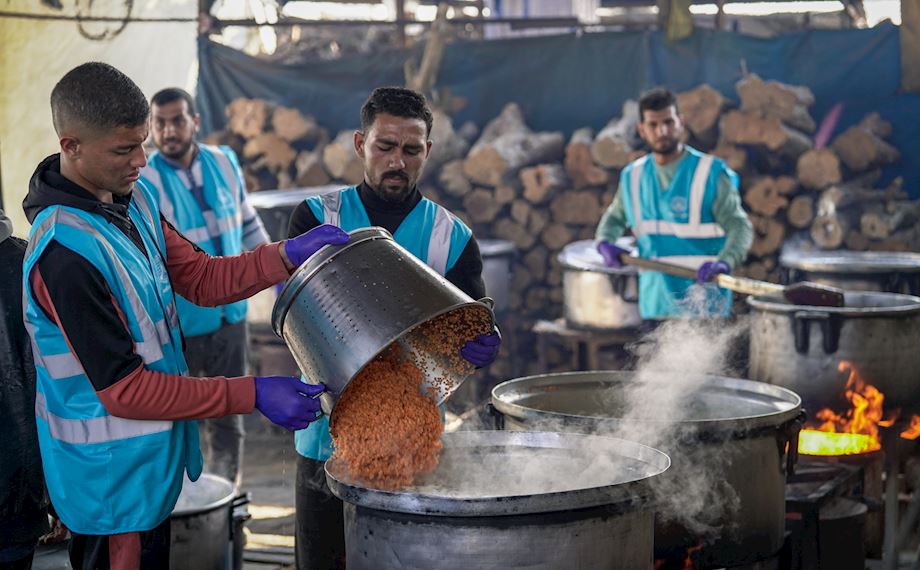
Feeding the Hungry
Providing food to those in need is among the most immediate and impactful forms of charity.
For families affected by poverty, conflict, or displacement, a nutritious meal can provide relief, restore dignity, and offer hope during difficult times.
Whether supporting a family through the Food Fund, providing Emergency Food Parcels, or helping supply fresh bread through the Yemen Bread Factory, every meal helps ease hardship and reminds vulnerable families that they have not been forgotten.
Caring for Orphans
The Prophet Muhammad ﷺ placed tremendous emphasis on caring for orphaned children.
He said:
"I and the one who cares for an orphan will be together in Paradise like this," and he held his index and middle fingers together.
(Sahih al-Bukhari)
Sponsoring an orphan helps provide consistent access to food, education, healthcare, and other essentials while offering stability and hope for the future.
When you Sponsor an Orphan, donors can make a lasting difference in a child's life while supporting one of the causes most beloved in Islam.
Helping During Times of Crisis
When disasters strike or conflict forces families from their homes, emergency charity becomes especially urgent.
Supporting humanitarian relief allows food, shelter, clean water, medical care, and other life-saving assistance to reach families when they need it most.
Muslim Hands USA responds to emergencies around the world through projects including the Gaza Emergency Appeal, Sudan Emergency Appeal, and Yemen Emergency Fund, helping communities recover while preserving dignity during times of immense hardship.
Building Lasting Change
Some of the most impactful charities do more than meet immediate needs—they help families build brighter futures.
Projects that provide sustainable livelihoods, education, healthcare, and clean water continue benefiting communities long after the initial donation has been made.
Initiatives such as the Hope Shop empower families with opportunities to earn a living, while water and education projects continue serving communities for years to come.
These lasting investments reflect the spirit of Sadaqah Jariyah, where the benefits continue long after the act of giving.
Putting Charity into Practice
Charity in Islam is more than a financial transaction. It is an act of worship, a means of drawing closer to Allah, and an opportunity to bring hope to those facing hardship. Whether you fulfill your Zakat, give voluntary Sadaqah, or invest in Sadaqah Jariyah, every sincere act of generosity has the potential to transform lives while earning reward with Allah.
The Qur'an and the Sunnah remind us that charity is not measured by the size of a donation but by the sincerity behind it and the good it brings to others. A single meal can ease a family's hunger. Clean water can change an entire community. Sponsoring an orphan can help shape a child's future. Even the smallest act of kindness can carry immense weight when it is done sincerely for the sake of Allah.
The best charity is not always the largest gift. It is the one that is given with a sincere heart, meets a genuine need, and is offered seeking Allah's pleasure alone.