

Best Month to Pay Zakat: When Should Muslims Give Zakat?
The best month to pay Zakat is the month in which your Zakat becomes due. While many Muslims choose Ramadan or Muharram because of their spiritual significance, Islam requires Zakat to be paid as soon as one full lunar year has passed on wealth above the Nisab threshold. Delaying Zakat without a valid reason is generally discouraged.
Best Month to Pay Zakat at a Glance
- There is no single required month to pay Zakat.
- Zakat becomes due one lunar year after your wealth reaches the Nisab threshold.
- It should generally be paid as soon as it becomes due.
- Many Muslims choose to pay Zakat in Ramadan because of its immense spiritual blessings.
- Others choose Muharram to begin the Islamic New Year with an act of worship.
- The most important thing is fulfilling your Zakat obligation on time.
When Should Muslims Give Zakat?
If you've ever wondered, "What is the best month to pay Zakat?", you're not alone. Many Muslims choose Ramadan because of its immense spiritual rewards, while others prefer Muharram to begin the Islamic New Year with an act of worship. But is one month actually better than another?
The answer is simple: the best month to pay Zakat is the month in which your Zakat becomes due. Once a full lunar year has passed and your wealth remains above the Nisab threshold, your Zakat becomes obligatory and should be paid without unnecessary delay.
Although giving during blessed times such as Ramadan or Muharram can be spiritually motivating, Islam teaches us that fulfilling our obligations promptly is most important.
Whether your Zakat supports families facing hunger, provides clean water, sponsors an orphan, or delivers emergency relief, paying it on time ensures your wealth is purified while helping those who need it most.
Ready to fulfill your Zakat today? Calculate your obligation in minutes and ensure your Zakat reaches those who need it most.
What Is the Best Month to Pay Zakat?
There is no single month that every Muslim must choose for paying Zakat.
Your personal Zakat date depends on when your wealth first reached the Nisab threshold and remained above it for one complete lunar year, known as the hawl.
That means your Zakat may become due in:
- Ramadan
- Muharram
- Safar
- Rajab
- Any other month of the Islamic calendar
The obligation follows your wealth, not a specific month on the calendar.
Learn More About Zakat
Want to understand how Zakat works and who must pay it?
Ramadan vs. Muharram vs. Paying When Due
| If your Zakat is due... | What should you do? |
|---|---|
| Ramadan | Pay your Zakat during Ramadan. |
| Muharram | Pay your Zakat during Muharram. |
| Safar | Pay your Zakat during Safar. |
| Rajab | Pay your Zakat during Rajab. |
| Any other month | Pay your Zakat when it becomes due. Do not delay unnecessarily. |
When Does Zakat Become Due?
Knowing when your Zakat becomes due is the key to understanding the best month to pay it.
Zakat becomes obligatory when three conditions are met:
- Your wealth reaches or exceeds the Nisab threshold.
- Your wealth remains above the Nisab for one complete lunar (Hijri) year, known as the hawl.
- Your wealth consists of Zakatable assets, such as savings, gold, silver, investments, business assets, or other qualifying wealth.
Once these conditions are met, your Zakat becomes due and should generally be paid without unnecessary delay.
Unlike Ramadan or Eid, there is no universal Zakat month that applies to every Muslim. Your Zakat anniversary is personal and depends on when your wealth first reached the Nisab threshold.
Did You Know?
Every Muslim may have a different Zakat due date. One person's Zakat may be due in Ramadan, another's in Muharram, and someone else's in Safar. What matters is paying your Zakat when your obligation becomes due.
How Do You Know When Your Zakat Is Due?
If you're unsure when to pay your Zakat each year, follow these simple steps:
- Determine the date your wealth first reached or exceeded the Nisab threshold.
- Count one complete lunar year from that date.
- If your wealth remains above the Nisab at the end of that year, your Zakat becomes due.
- Mark this date so you can calculate and pay your Zakat each year.
Many Muslims choose to save their annual Zakat date in a calendar or reminder app to avoid forgetting their obligation.


Calculate Your Zakat with Confidence
Not sure whether your wealth has reached the Nisab or how much Zakat you owe?
Our free Zakat Calculator can help you calculate your obligation quickly and accurately based on your savings, gold, silver, investments, and other qualifying assets.
What Is the Nisab Threshold?
The Nisab is the minimum amount of wealth a Muslim must own before Zakat becomes obligatory. It serves as the threshold that determines whether you are required to pay Zakat.
The Prophet ﷺ established the Nisab as the equivalent of 87.48 grams of gold or 612.36 grams of silver. While these measurements remain the same, their monetary value changes every day because gold and silver prices fluctuate.
For this reason, most Muslims use an up-to-date Zakat Calculator rather than trying to calculate the Nisab value manually.
If your total Zakatable wealth is equal to or greater than the current Nisab value and you have maintained that wealth for one complete Hijri (lunar) year, Zakat becomes obligatory.
Calculate Your Nisab and Zakat
Unsure whether you've reached the Nisab threshold? Our free calculator uses current values to help you calculate your Zakat accurately.
Why Do So Many Muslims Pay Zakat in Ramadan?
Ramadan is the month most commonly associated with Zakat, and it's easy to understand why.
As the holiest month in the Islamic calendar, Ramadan is a time when Muslims increase their worship through fasting, prayer, recitation of the Qur'an, remembrance of Allah, and acts of charity. Many choose to pay their Zakat during this blessed month because it encourages generosity and helps ensure they fulfill one of Islam's Five Pillars.
For many families, receiving Zakat before Eid al-Fitr can also make a meaningful difference by helping them afford food, clothing, and other essential needs.
While paying Zakat in Ramadan is a wonderful practice if your Zakat is due then, it is important to remember that Ramadan is not the required month for paying Zakat.
Your obligation begins when one complete Hijri (lunar) year has passed on wealth that remains above the Nisab threshold. If your Zakat becomes due in Rajab, Safar, Muharram, or any other month, it should generally be paid when it becomes due rather than delayed until Ramadan.
In other words, the best month to pay Zakat is not always Ramadan. It is the month in which your Zakat becomes obligatory.
Can You Pay Zakat Early for Ramadan?
Yes. Many scholars permit paying Zakat before its due date, particularly if it benefits those in need or allows you to align your giving with Ramadan. However, this is different from delaying a Zakat payment that has already become due.
For example:
- If your Zakat is due in Sha'ban, paying it a few weeks early in Ramadan is generally permissible according to many scholars.
- If your Zakat became due several months ago, it should generally not be postponed simply to wait for the next Ramadan.
If you are unsure about your circumstances, consult a qualified scholar for guidance.
Did You Know?
Many Muslims choose Ramadan because it is spiritually uplifting, not because Islam requires everyone to pay Zakat during that month. Your personal Zakat anniversary is based on when your wealth first reached the Nisab threshold.
Can You Pay Zakat in Muharram?
Yes. You can absolutely pay your Zakat in Muharram if your Zakat becomes due during this sacred month.
Muharram is the first month of the Islamic calendar and one of the four sacred months mentioned in the Qur'an. It is a time when many Muslims reflect on the passing year, renew their intentions, and increase acts of worship, including fasting, prayer, and charity.
For this reason, many people choose to begin the Islamic New Year by fulfilling one of Islam's Five Pillars through the payment of Zakat.
However, Muharram is not a required month for paying Zakat.
Just as there is no obligation to wait until Ramadan, there is no obligation to wait until Muharram. Your Zakat should generally be paid when it becomes due, regardless of the month.
If your Zakat anniversary falls in Muharram, paying it during this blessed month allows you to fulfill your obligation while beginning the new Islamic year with an act of obedience and compassion.
If your Zakat becomes due in another month, it is generally best not to delay it simply to wait for Muharram.
Key Takeaway
Muharram is a blessed time to give, but the best month to pay Zakat is still the month in which it becomes due. Paying your Zakat on time is more important than waiting for a particular month.
Why Many Muslims Choose Muharram
Many Muslims choose to give Zakat during Muharram because it offers an opportunity to begin the new Islamic year with gratitude, generosity, and a renewed commitment to worship.
Giving Zakat in Muharram can also help support families facing ongoing humanitarian crises, providing food, clean water, medical care, and other essential assistance at the start of a new year.
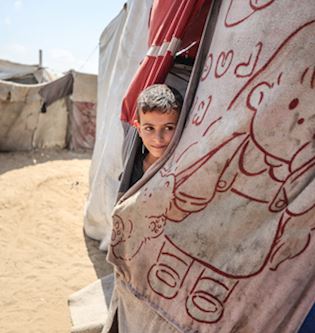
Whether your Zakat supports a family in Gaza, provides emergency aid in Sudan, delivers relief in Yemen, or helps fund sustainable projects like clean water and orphan care, your generosity can have a lasting impact.
Start the New Islamic Year by Giving Hope
If your Zakat is due this Muharram, fulfill your obligation with confidence and help provide life-changing support to families in need around the world.
Explore More Ways to Give:
Ramadan vs. Muharram: Which Is Better for Paying Zakat?
| Ramadan | Muharram |
|---|---|
| A month of fasting, worship, and increased charity. | The first month of the Islamic year and one of the four sacred months. |
| Many Muslims choose to pay Zakat during Ramadan because of its spiritual atmosphere. | Many Muslims choose Muharram to begin the new year with an act of worship. |
| Recommended if your Zakat is due then or if paying early. | Recommended if your Zakat is due then. |
| Neither month replaces your personal Zakat due date. | The obligation remains to pay Zakat when it becomes due. |
Is It Better to Pay Zakat Early?
In some situations, yes.
Many scholars permit Muslims to pay their Zakat before its due date, particularly when there is a genuine need or when early payment will provide greater benefit to those who are eligible to receive it.
This flexibility allows Muslims to respond to humanitarian emergencies, support vulnerable communities, or align their giving with a time when they are better prepared financially or spiritually.
For example, someone whose Zakat is due in Sha'ban may choose to pay it earlier during Ramadan. Likewise, a Muslim may decide to give early when communities are facing famine, conflict, natural disasters, or other urgent hardships.
What is important is understanding the difference between paying early and delaying payment.
Paying Zakat before it becomes due is generally permitted by many scholars. Delaying Zakat after it has already become obligatory without a valid reason is generally discouraged.
When Paying Zakat Early Can Make a Difference
Around the world, millions of families rely on Zakat to meet their most basic needs.
Early Zakat donations can help provide:
- Emergency food for families facing hunger.
- Safe, clean water for communities without reliable access.
- Medical care for vulnerable children and adults.
- Shelter and relief for families displaced by conflict or disaster.
- Long-term support that helps families rebuild their lives with dignity.
When emergencies occur, receiving assistance weeks or months earlier can make a life-changing difference.
How Muslim Hands USA Uses Your Zakat
Your Zakat has the power to reach eligible recipients through projects that address both immediate needs and long-term recovery.
Depending on where the need is greatest, your Zakat may help provide:
- Emergency food assistance.
- Clean water and sanitation.
- Medical aid.
- Support for orphaned children.
- Livelihood assistance for struggling families.
- Emergency relief in crisis-affected communities.
Every Zakat donation is distributed in accordance with Islamic principles to help eligible recipients rebuild their lives with dignity and hope.
Give Your Zakat Where It Is Needed Most
Whether your Zakat is due today or you're planning ahead, giving through a trusted charity helps ensure your donation reaches those who need it most.
Help Families Facing Crisis
Your Zakat can provide lifesaving support to communities experiencing conflict, poverty, and displacement.
Can You Split Your Zakat Payments?
Many Muslims wonder whether they must pay their Zakat all at once or if they can divide it into smaller payments throughout the year.
The answer depends on when your Zakat becomes due. While scholars have differing opinions on specific situations, many permit scheduled payments provided the full amount reaches eligible recipients within the appropriate timeframe and the obligation is fulfilled without unnecessary delay.
If you are unsure what is best for your circumstances, consult a qualified scholar.
Common Mistakes Muslims Make When Paying Zakat
Paying Zakat is one of the Five Pillars of Islam, but many Muslims have questions about when it is due and how it should be calculated. Small misunderstandings can sometimes lead to delays or incorrect calculations.
Here are some of the most common mistakes to avoid.
1. Waiting Until Ramadan Every Year
Many Muslims associate Zakat with Ramadan because it is a month of increased worship and generosity. While paying Zakat during Ramadan is a wonderful practice if your Zakat is due then, it should not be delayed simply to wait for Ramadan.
If your Zakat becomes due in Muharram, Rajab, Safar, or any other month, it should generally be paid when it becomes obligatory.
2. Forgetting Your Annual Zakat Date
Unlike Ramadan, your Zakat due date is unique to you. Once your wealth reaches the Nisab threshold and remains above it for one Hijri year, that date becomes your annual Zakat anniversary.
Setting a yearly reminder can help ensure you never miss your obligation.
3. Calculating Only Cash Savings
Many people assume Zakat only applies to money in a savings account.
In reality, your Zakat calculation may also include qualifying assets such as:
- Cash and savings
- Gold and silver
- Business inventory
- Investments and shares
- Money owed to you that you expect to recover
Calculating all eligible assets helps ensure your Zakat is accurate.
4. Confusing Zakat with Sadaqah
Although both are acts of charity, they are not the same.
Zakat is an obligatory act of worship for Muslims whose wealth reaches the Nisab threshold. It must be distributed to eligible recipients according to Islamic guidelines.
Sadaqah is voluntary charity that can be given at any time, in any amount, and for a wide variety of charitable causes.
Both are immensely rewarding, but only Zakat fulfills this religious obligation.
Related Reading: Difference Between Zakat and Sadaqah → (Internal link to future or existing blog)
5. Forgetting to Use Current Nisab Values
The monetary value of the Nisab changes because the prices of gold and silver fluctuate.
Using outdated figures or estimating your Zakat manually can lead to mistakes.
A reliable Zakat Calculator uses current Nisab values to help ensure your calculation is accurate.
CTA: Calculate Your Zakat Using Today's Nisab Values → (Internal link to Zakat Calculator)
6. Delaying Zakat Without a Valid Reason
One of the most common misunderstandings is believing there is always a "better" month to pay Zakat.
While Ramadan and Muharram are both blessed times for worship, the best time to pay your Zakat is generally when it becomes due.
Fulfilling your obligation promptly means your Zakat can reach families in need without unnecessary delay.
Key Takeaway
The goal is not to find the most rewarding month. The goal is to fulfill your obligation sincerely, accurately, and on time.
Give Your Zakat with Confidence
At Muslim Hands USA, we make it easy to calculate your Zakat and distribute it to eligible recipients through trusted humanitarian programs around the world.
Whether your Zakat helps provide emergency food, clean water, orphan care, healthcare, or livelihood support, your generosity can transform lives while fulfilling one of Islam's most important acts of worship.