

National Water Quality Month: The Clean Water Crisis
For many of us, clean water is always within reach. We turn on the faucet to drink, cook, wash our hands, or make wudu without wondering whether the water is safe.
For billions of people, that is not the reality.
According to the latest data from the World Health Organization (WHO) and UNICEF, 2.1 billion people worldwide still lack access to safely managed drinking water. That is 1 in every 4 people. Millions continue to rely on limited, unimproved, or untreated water sources.
Every August, National Water Quality Month draws attention to the importance of protecting clean water and the resources we depend on. But it is also an opportunity to look beyond our own faucets and recognize the global clean water crisis affecting families every day.
For Muslims, water carries an even deeper significance. It is essential for life, cleanliness, worship, and dignity. Providing water to someone in need can also become a powerful act of Sadaqah, with benefits that can continue long after the initial gift.
This National Water Quality Month, understanding the crisis is the first step. Helping change it can be the next.
What Is National Water Quality Month?
National Water Quality Month is observed every August to raise awareness about the importance of clean water and protecting water resources.
Water quality affects nearly every part of our lives, from the water we drink to agriculture, public health, and the environment.
In the United States, access to safe water can be easy to take for granted. Around the world, however, safe and reliable drinking water remains out of reach for billions.
WHO and UNICEF define safely managed drinking water as water from an improved source that is accessible on the premises, available when needed, and free from contamination.
The latest global data shows that access is improving. Between 2015 and 2024, 961 million people gained access to safely managed drinking water.
Yet 2.1 billion people are still waiting.
Why Do 2 Billion People Still Lack Clean Water?
More than 2 billion people still lack safely managed drinking water because access depends on more than simply having a water source nearby. Poverty, damaged or limited infrastructure, climate pressures, conflict, displacement, and contamination can all make safe water difficult to access.
The latest WHO and UNICEF data shows that 2.1 billion people still lack safely managed drinking water. Among them, millions rely on water sources that may be far from home, unreliable, or unsafe.
For families already facing poverty or crisis, finding water can become part of the daily struggle to survive.
Climate and Water Scarcity
Drought, changing rainfall patterns, and extreme weather can put even more pressure on communities where water is already scarce.
When reliable water sources dry up or become harder to reach, families may have fewer choices about where their drinking water comes from.
Conflict and Displacement
Conflict can damage water systems and force families from their homes, leaving them without the infrastructure they once relied on.
For displaced families, access to safe drinking water can become an immediate need alongside food, shelter, and medical care.
Poverty and Limited Infrastructure
A community may have water beneath the ground but lack the infrastructure needed to access it safely.
Wells, pumps, storage systems, and other water infrastructure can help bring a reliable source of water closer to families and communities.
This is why tackling the global water crisis is not simply about providing water for one day. Long-term access to safe water can help give families greater health, stability, and dignity.
Help Bring Clean Water Closer to a Family
A reliable water source can change more than a family's daily routine. It can provide greater safety, dignity, and stability for an entire community.
What Happens When Families Don’t Have Clean Water?
Without reliable access to clean water, families can face greater risks to their health, education, safety, and financial stability. A water crisis does not end when someone finally fills a container. Its effects can reach into nearly every part of daily life.
Unsafe Water Can Put Health at Risk
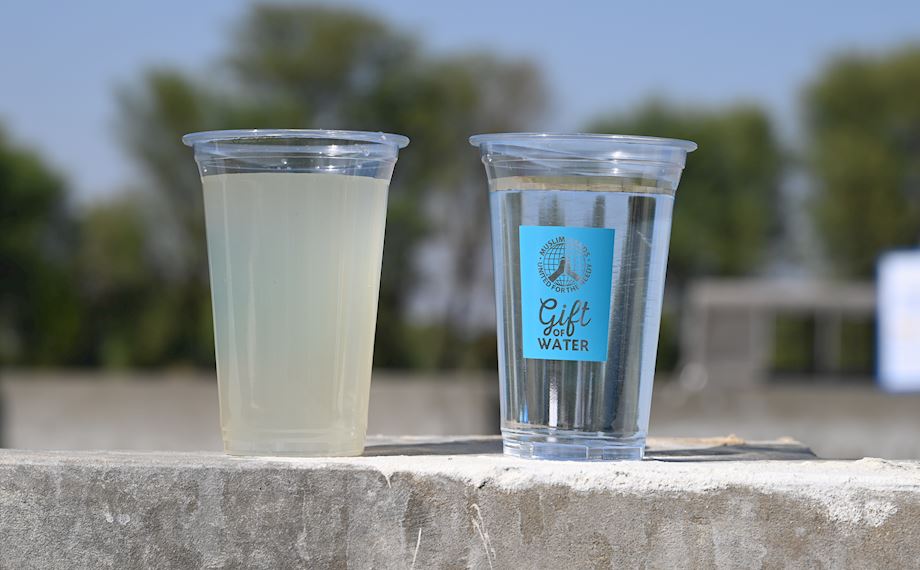
When clean drinking water is unavailable, families may have little choice but to rely on unsafe or contaminated sources.
Water is also essential for cooking, washing, sanitation, and personal hygiene. Without enough safe water, maintaining the basic routines that help protect a family's health becomes much harder.
Collecting Water Takes Time
For some families, getting water can mean traveling long distances to reach a usable source.
That journey takes time away from other parts of daily life. When a reliable water source is brought closer to a community, families can spend less time searching for water and more time caring for their households, working, learning, and building their futures.
Clean Water Helps Children Learn and Thrive
Access to water can also affect a child's daily routine.
When children have reliable water closer to home and their community, it can help remove one of the many barriers families face in creating a safe and stable environment for them.
Clean water is therefore about much more than relieving thirst. It is about health, dignity, opportunity, and giving communities a resource they can rely on every day.
Give a Community the Gift of Clean Water
From smaller water projects to wells designed to serve entire communities, your Sadaqah can help bring reliable water closer to people who need it.
What Does Islam Say About Giving Water?
Water holds a special place in Islam. It sustains life, allows us to maintain cleanliness, and is essential for wudu and many parts of our daily worship.
The Qur'an reminds us of the connection between water and life:
“And We made from water every living thing.”
(Qur'an 21:30)
Providing water to others is also a highly encouraged form of charity. Sa'd ibn 'Ubadah (RA) asked the Prophet ﷺ which charity was best, and he replied:
“Giving water to drink.”
(Sunan al-Nasa'i)
For a Muslim, giving water can therefore be more than meeting an immediate physical need. It can be an act of Sadaqah performed for the sake of Allah.
Can a Water Well Be Sadaqah Jariyah?
A water well can be a form of Sadaqah Jariyah when it continues providing benefit to others over time.
The Prophet ﷺ taught that when a person dies, their deeds come to an end except for three, including ongoing charity. (Sahih Muslim)
A well can continue providing water long after the initial donation. Every time someone drinks, cooks, washes, or benefits from the water, the impact of that original act of charity continues.
You can build a well for yourself or give on behalf of someone you love, turning the gift of water into a meaningful legacy.
Build a Water Well as Sadaqah Jariyah
Help provide a community with a reliable source of water and create an act of charity with the potential to benefit others for years to come.
Build a Water Well in the Name of a Loved One
How Does Muslim Hands USA Help Provide Clean Water?
Muslim Hands has been delivering clean water aid for more than 30 years. Today, Muslim Hands USA supports water projects in communities where access to safe drinking water is limited or unsafe.
According to Muslim Hands USA, the Muslim Hands family has:
-
Constructed more than 14,000 Tube Wells
-
Installed more than 1,000 Community Wells
-
Provided more than 2.6 million people with safe water
Muslim Hands USA also works with teams and partners on the ground to assess community needs and determine where water projects can have the greatest impact.
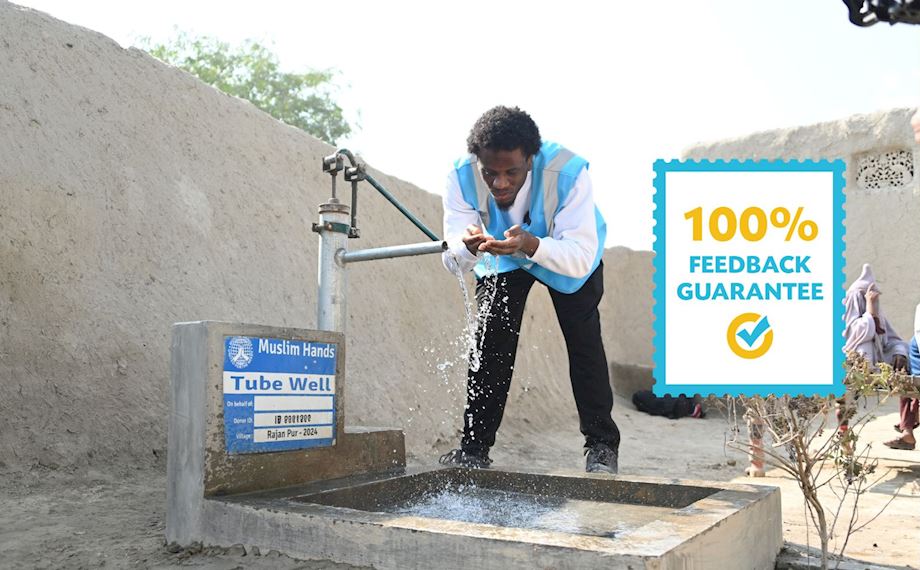
Tube Well: $310
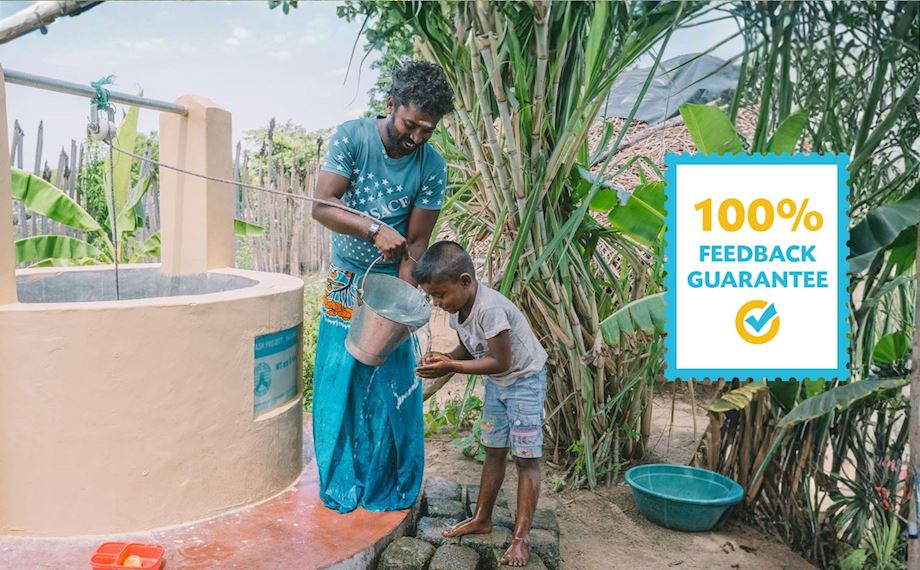
A Tube Well can provide clean water for drinking, washing, and cooking for up to four families.
The manually operated wells draw water from around 30 meters beneath the ground and are designed to last at least 10 years. They are often placed between clusters of homes so families can access water more conveniently.
Dig-a-Well: $950
A Dig-a-Well can provide clean water to around 35 families, or up to 200 people.
These wells draw water from up to 40 meters underground and can support drinking, washing, cooking, and livestock. They are often located in communal spaces such as village centers, schools, or mosques.
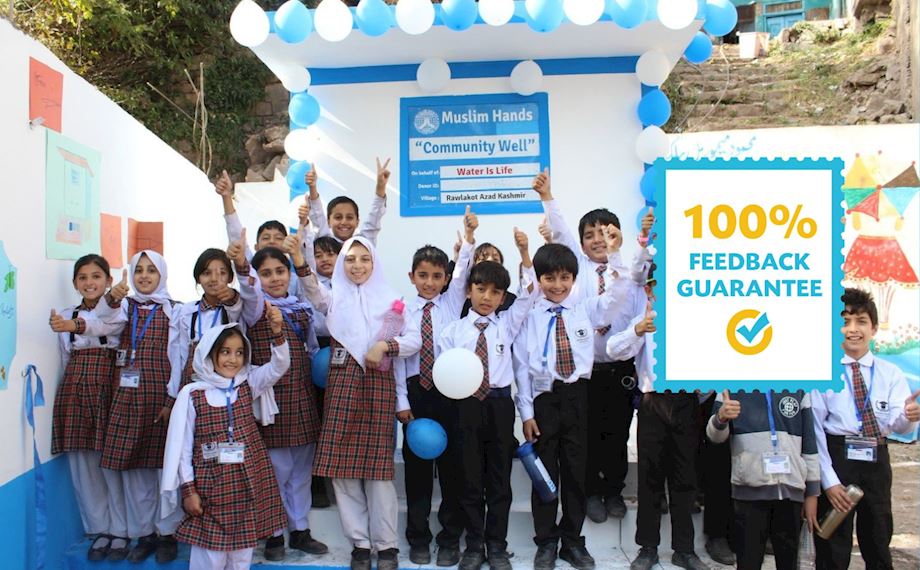
Community Well: $4,000
A Community Well can provide clean water to more than 1,000 people.
These larger wells are often built in areas where water is particularly scarce and can provide water for families, livestock, and crops.
Build a Community Well for $4,000
Help Provide Clean Water
Whether you help provide water for a few families or an entire community, your donation can support long-term access to safe drinking water.
How Can You Help During National Water Quality Month?
National Water Quality Month is a reminder that clean water is something many of us use every day without a second thought. Yet for 2.1 billion people around the world, safely managed drinking water is still out of reach.
This August, you can turn awareness into action.
Supporting a clean water project can help bring safe, reliable water closer to families and communities that need it. Through Muslim Hands USA, you can contribute toward a water project or help fund a well that can continue serving people for years.
For Muslims, this is also an opportunity to give with intention. A water project that continues benefiting people can become a form of Sadaqah Jariyah, allowing the impact of your charity to continue beyond the moment you give.
You can also give a water well on behalf of someone you love, making your donation a meaningful way to honor them while helping others.
National Water Quality Month may last for August, but the need for clean water does not end when the month does.
Turn Your Sadaqah Into Clean Water
Help provide families and communities with access to a resource every person needs.
Frequently Asked Questions About National Water Quality Month and Clean Water
When Is National Water Quality Month?
National Water Quality Month is observed throughout August each year. It raises awareness about the importance of protecting water resources and maintaining access to clean, safe water.
How Many People in the World Do Not Have Clean Water?
According to the latest WHO and UNICEF data, 2.1 billion people worldwide still lack safely managed drinking water. That means approximately 1 in 4 people globally do not have drinking water from an improved source that is accessible on premises, available when needed, and free from contamination.
Why Is Access to Clean Water Important?
Clean water is essential for drinking, cooking, washing, sanitation, and maintaining health and dignity. Reliable access to water can also reduce the time families spend collecting water and help create safer, more stable communities.
What Does Islam Say About Giving Water?
Giving water is a highly encouraged form of charity in Islam. When Sa'd ibn 'Ubadah (RA) asked the Prophet ﷺ which charity was best, he replied, “Giving water to drink.” (Sunan al-Nasa'i)
Is Building a Water Well Sadaqah Jariyah?
A water well can be Sadaqah Jariyah when it continues providing benefit to people over time. Sadaqah Jariyah is an ongoing form of charity whose benefit can continue after the original act of giving.
Build a Water Well as Sadaqah Jariyah
Can I Build a Water Well in Someone's Name?
Muslim Hands USA allows donors to dedicate a Tube Well, Dig-a-Well, or Community Well in their own name or in the name of a loved one.
This can make a water well a meaningful gift or an act of charity given on behalf of someone important to you.
Build a Water Well for Someone You Love
How Much Does It Cost to Build a Water Well With Muslim Hands USA?
Muslim Hands USA currently offers several water well options:
-
Tube Well: $310 – can serve up to four families
-
Dig-a-Well: $950 – can serve around 35 families, or up to 200 people
-
Community Well: $4,000 – can serve more than 1,000 people
Each project is designed to help provide communities with access to clean water based on their needs.
Explore Our Water Projects
Give the Gift of Clean Water
National Water Quality Month reminds us how essential clean water is, but the need continues long after August ends.
For families living without reliable access to safe water, your Sadaqah can help provide something that affects nearly every part of daily life.
By supporting a Muslim Hands USA water project, you can help bring clean water closer to families and communities while creating an act of charity with the potential to benefit people for years to come.
Help Provide Clean Water Today