


What Should Muslims Do After Muharram? 8 Ways to Continue Your Worship Throughout the Year
After Muharram at a Glance
- Continue praying with sincerity and consistency.
- Keep giving Sadaqah and Zakat throughout the year.
- Read and reflect on the Qur'an every day.
- Fast on recommended voluntary days.
- Increase your daily dhikr and du'a.
- Build one habit that lasts all year.
- Continue supporting people facing hardship.
- Remember that Allah loves consistent good deeds.
Quick Answer
Muharram may be over, but the opportunity to earn Allah's pleasure continues every day of the year. The best way to honor the spirit of Muharram is by remaining consistent in prayer, charity, Qur'an recitation, remembrance of Allah, and helping those in need. Islam encourages believers to make worship a lifelong commitment rather than something reserved for sacred seasons.
Muharram Is the Beginning, Not the Finish Line
Muharram is one of the most sacred months in Islam. It marks the beginning of the Islamic New Year and offers Muslims an opportunity to renew their faith through worship, fasting, reflection, and generosity.
During Muharram, many Muslims increase their prayers, fast on the Day of Ashura, give Sadaqah, and remember the lessons of patience, gratitude, and trust in Allah.
But what happens when Muharram comes to an end?
Many people naturally wonder, "What should Muslims do after Muharram?"
The answer is beautifully simple. Continue the good deeds you began.
Islam does not encourage worship that lasts for only one month. Instead, it teaches consistency. Every prayer offered on time, every page of Qur'an recited, every act of charity, and every sincere du'a brings a believer closer to Allah throughout the entire year.
The Prophet ﷺ said:
"The most beloved deeds to Allah are those that are consistent, even if they are few."
(Sahih al-Bukhari 6464; Sahih Muslim 783)
Rather than seeing Muharram as the end of a spiritually uplifting season, let it become the beginning of a year filled with faith, compassion, and purposeful living.
Did You Know?
Muharram is only one of the four sacred months in Islam. While these months hold special significance, acts of worship, charity, and remembrance of Allah are encouraged every day of the year.
The Four Sacred Months in Islam
1. Continue Giving Charity Throughout the Year
One of the greatest lessons Muharram teaches is that generosity should never be limited to a single season.
While many Muslims increase their charitable giving during Muharram, the needs of vulnerable families continue long after the month has ended. Hunger does not disappear. Clean water is still out of reach for millions. Orphans continue to need care, and families affected by conflict and poverty still rely on the compassion of others.
Allah says in the Qur'an:
"The example of those who spend their wealth in the way of Allah is like that of a seed of grain that grows seven ears; in every ear is one hundred grains. And Allah multiplies His reward for whom He wills."
(Qur'an 2:261)
Every act of charity, no matter how small, carries immense reward and has the potential to transform lives.
You don't need to wait for Ramadan, Muharram, or another special occasion to give. Even a small, consistent donation can provide ongoing support to families facing hardship while helping you build a lifelong habit of generosity.
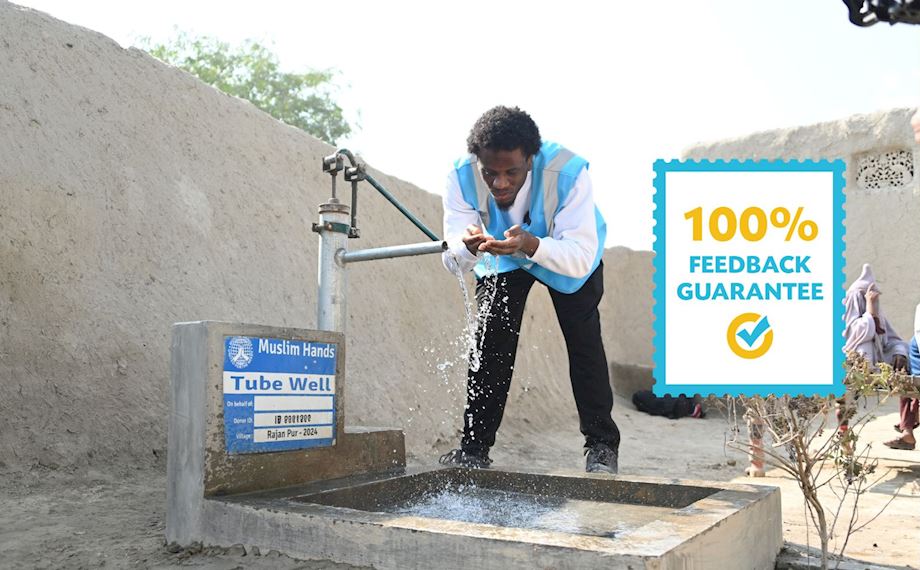
Whether you choose to provide clean water, sponsor an orphan, deliver emergency food, or support a family affected by crisis, your charity can continue making a difference throughout the year.
Ways to Continue Giving After Muharram
- Give regular Sadaqah, even if it is a small amount.
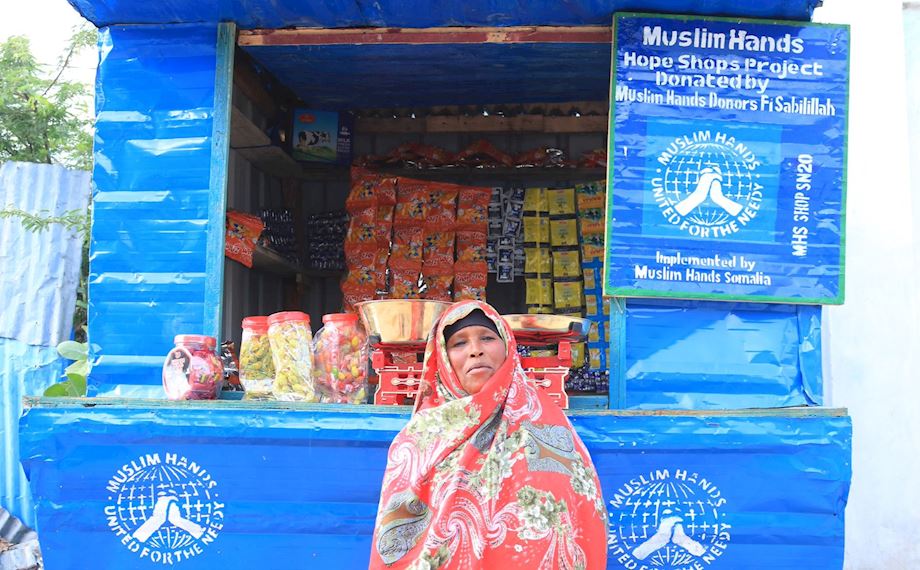
- Support a Sadaqah Jariyah project that provides lasting benefit.
- Sponsor an orphan and help provide long-term care and education.
- Help deliver emergency food and clean water to families in need.
- Continue fulfilling your Zakat obligation when it becomes due.
Explore Ways to Give
2. Strengthen Your Connection with the Qur'an
Muharram often inspires Muslims to reflect on their relationship with Allah and renew their commitment to worship. One of the best ways to carry that spiritual momentum throughout the year is by strengthening your connection with the Qur'an.
The Qur'an is not meant to be read only during Ramadan or on special occasions. It is Allah's guidance for every day of our lives, offering wisdom, comfort, and direction through every season.
Allah says:
"Indeed, this Qur'an guides to that which is most suitable and gives good tidings to the believers who do righteous deeds that they will have a great reward."
(Qur'an 17:9)
Even a few minutes each day can have a lasting impact. Whether you read one page, one juz', or a handful of verses with reflection, consistency is far more valuable than occasional bursts of worship.
The goal isn't simply to finish the Qur'an. The goal is to understand its message, allow it to shape your character, and put its teachings into practice.
Small Habits Lead to Lasting Change
If you're wondering where to begin after Muharram, start with a goal you know you can maintain.
Consider trying one of these habits:
- Read one page of the Qur'an after Fajr or before bed.
- Read the translation alongside the Arabic to better understand its meaning.
- Reflect on one verse each day and think about how it applies to your life.
- Listen to a short recitation during your commute or while exercising.
- Memorize one new verse each week.
Remember, building a relationship with the Qur'an is a lifelong journey. Every verse you read is an opportunity to grow closer to Allah.
The Qur'an Inspires Us to Care for Others
The Qur'an not only strengthens our faith but also calls us to show mercy, compassion, and generosity toward those in need.
As we reflect on Allah's guidance, we are reminded that true faith is demonstrated through both worship and service to others.
Continuing your acts of charity after Muharram is one way to live the teachings of the Qur'an every day.
Continue Living the Qur'an Through Action
Your support can help provide food, clean water, healthcare, education, and hope to families facing hardship around the world.
Give today and help those in need.
3. Remember Allah Through Daily Dhikr and Du'a
Muharram encourages us to pause, reflect, and renew our relationship with Allah. As the month comes to an end, one of the easiest and most meaningful ways to maintain that connection is through daily dhikr (remembrance of Allah) and du'a (supplication).
Unlike many acts of worship that require a specific time or place, dhikr can be made throughout the day. Whether you're driving to work, preparing dinner, or taking a short walk, every moment offers an opportunity to remember Allah and seek His guidance.
Allah says:
"O you who have believed, remember Allah with much remembrance. And glorify Him morning and afternoon."
(Qur'an 33:41–42)
Simple Ways to Remember Allah Every Day
You don't need hours each day to strengthen your faith. Small, consistent acts of remembrance can become lifelong habits that bring peace to your heart and keep you connected to your Creator.
Consider adding these to your daily routine:
- Say SubhanAllah (Glory be to Allah) 33 times after each prayer.
- Say Alhamdulillah (All praise is due to Allah) throughout the day as a reminder of His countless blessings.
- Say Allahu Akbar (Allah is the Greatest) after your prayers and whenever you need to renew your focus.
- Frequently recite La ilaha illa Allah (There is no deity worthy of worship except Allah), one of the greatest forms of remembrance.
- Make sincere du'a for yourself, your family, and those facing hardship around the world.
The goal is not to count words but to cultivate a heart that regularly turns back to Allah.
Remember Others in Your Du'a
As you make du'a for yourself and your loved ones, remember those around the world who continue to face hunger, poverty, displacement, and hardship.
Pray that Allah grants relief to those affected by conflict, blesses those caring for vulnerable communities, and accepts every act of charity given for His sake.
One of the most beautiful ways to accompany your du'a is with action. Alongside praying for others, consider supporting projects that provide food, clean water, education, and emergency relief to families in need.
Continue Turning Compassion into Action
4. Continue Voluntary Fasting Throughout the Year
Fasting doesn't end with Ashura.
While the 10th of Muharram is one of the most well-known voluntary fasts in Islam, the Sunnah encourages believers to continue fasting throughout the year as a means of drawing closer to Allah.
The Prophet ﷺ said:
"The best fasting after the month of Ramadan is Allah's month of Muharram."
(Sahih Muslim 1163)
Although Muharram has passed, there are many opportunities to continue this beautiful act of worship. Voluntary fasting helps strengthen self-discipline, increases gratitude, and reminds us to rely on Allah while seeking His reward.
The goal isn't to fast every day. Rather, it's to find a routine that is sustainable and brings you closer to Allah.
Recommended Voluntary Fasts Throughout the Year
The Prophet ﷺ regularly observed voluntary fasts outside of Ramadan. Some of the most well-known include:
- Mondays and Thursdays, as deeds are presented to Allah on these days.
- The White Days (the 13th, 14th, and 15th of each Islamic month).
- The Day of Arafah for those not performing Hajj.
- The Day of Ashura, along with the 9th or 11th of Muharram.
Even fasting once or twice each month can become a meaningful habit that continues long after Muharram has ended.
Learn More about Fasting White Days
Let Your Fasting Inspire Other Good Deeds
Fasting teaches patience, gratitude, and compassion for those who struggle with hunger every day.
As we experience even a small measure of hunger, we're reminded that millions of people around the world don't have the choice of when their next meal will come.
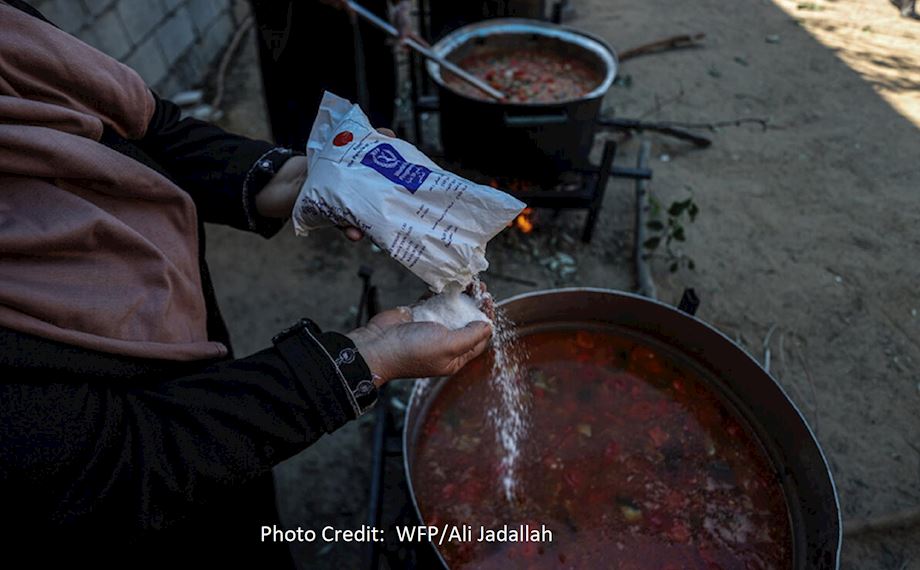
One beautiful way to carry the lessons of fasting beyond Muharram is by helping provide food, clean water, and essential support to families in need.
Your generosity can help ensure that others have the nourishment, dignity, and hope they deserve.
Turn Compassion Into Action
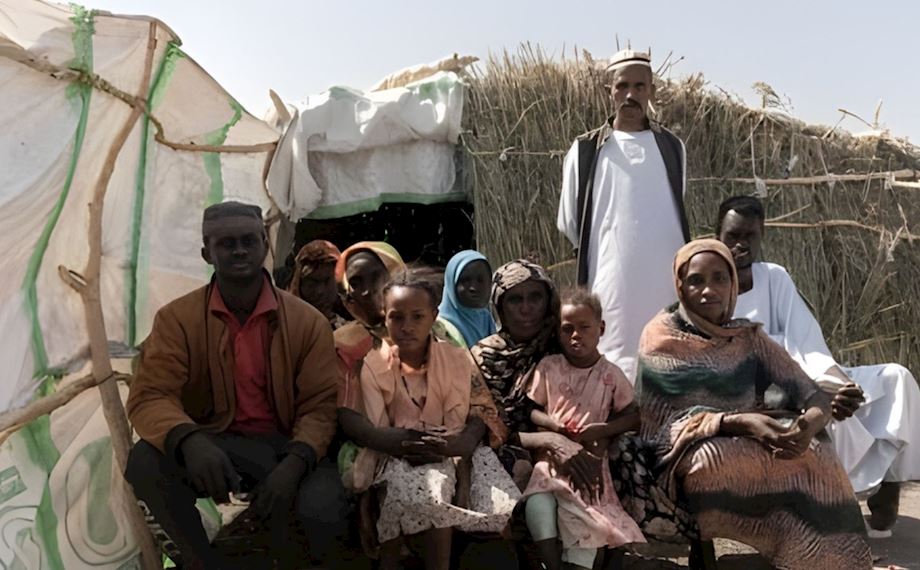
Support Sudan Emergency Relief
5. Build One Habit That Lasts All Year
The end of Muharram isn't about returning to old routines. It's an opportunity to carry one meaningful habit into the rest of the Islamic year.
Many people set ambitious spiritual goals after Ramadan or Muharram, only to become overwhelmed a few weeks later. Islam teaches us that lasting change isn't built through perfection. It's built through consistency.
The Prophet ﷺ said:
"The most beloved deeds to Allah are those that are consistent, even if they are few."
(Sahih al-Bukhari 6464; Sahih Muslim 783)
Rather than trying to do everything at once, choose one habit you can realistically maintain throughout the year. Small acts of worship performed consistently can have a greater impact than occasional acts that are difficult to sustain.
Choose One Habit to Carry Forward
Ask yourself which habit from Muharram brought you closest to Allah.
Perhaps it was:
- Praying each salah on time.
- Reading a page of the Qur'an every day.
- Giving a small amount of Sadaqah each week.
- Remembering Allah through daily dhikr.
- Making du'a after every prayer.
- Fasting one or two days each month.
- Learning one new hadith each week.
- Spending more time helping others.
You don't have to choose them all. Start with one habit and allow it to become part of your daily life.
Small Changes Create Lasting Rewards
A few minutes each day may not seem like much, but over the course of a year those small actions become a lifetime of worship.
Did You Know?
The Prophet ﷺ encouraged believers to perform good deeds consistently, reminding us that Allah values sincerity and perseverance over occasional acts performed in great quantity.
Building one habit that lasts all year can be more rewarding than setting many goals that are quickly abandoned.
6. Remember Those Facing Hardship
One of the greatest lessons of Muharram is that faith is not only demonstrated through worship but also through compassion for others.
As we strive to strengthen our relationship with Allah through prayer, fasting, and remembrance, we should also remember those who are facing hunger, poverty, displacement, illness, and loss.
The Qur'an repeatedly reminds believers that caring for others is a reflection of sincere faith.
Allah says:
"And they give food, in spite of love for it, to the needy, the orphan, and the captive, saying, 'We feed you only for the sake of Allah. We desire from you neither reward nor thanks.'"
(Qur'an 76:8-9)
True worship extends beyond our personal relationship with Allah. It is reflected in how we care for His creation.
Small Acts of Kindness Can Have a Lasting Impact
You don't have to change the entire world to make a difference in someone's life.
A single act of kindness may help provide:
- A nutritious meal for a hungry family.
- Safe drinking water for a community.
- Medical care for someone in need.
- Educational support for an orphan.
- Emergency relief during times of crisis.
When these acts are performed sincerely for the sake of Allah, they become part of our ongoing worship.
7. Let Muharram Shape the Rest of Your Year
Muharram is more than the beginning of a new Islamic year. It is an invitation to begin again.
Whether Muharram inspired you to pray more consistently, read more Qur'an, increase your charity, or strengthen your relationship with Allah, don't let those habits end simply because the month has passed.
The true success of Muharram isn't measured by what we accomplished during thirty days. It's measured by what we continue doing in the months that follow.
Allah says:
"And worship your Lord until there comes to you the certainty (death)."
(Qur'an 15:99)
This verse reminds us that worship is not seasonal. Our relationship with Allah continues throughout every stage of life.
Your Journey Through the Islamic Year
Every month offers a new opportunity to strengthen your faith and draw closer to Allah.
| Islamic Month | Opportunity for Worship |
|---|---|
| Muharram | Renew your intentions, fast, and increase charity. |
| Safar | Continue the habits you began and remain steadfast in worship. |
| Rabi' al-Awwal | Reflect on the character and teachings of the Prophet ﷺ. |
| Rajab | Prepare your heart for the months leading to Ramadan. |
| Sha'ban | Increase worship as you prepare for Ramadan. |
| Ramadan | Fast, pray, give generously, and seek Laylat al-Qadr. |
| Shawwal | Maintain the momentum of Ramadan through continued worship. |
| Dhul Hijjah | Increase good deeds during the first ten days and remember the significance of Hajj and Qurbani. |
Every season brings a new opportunity to worship Allah. The believer's journey is one of continuous growth, not temporary motivation.
Read More: The Islamic Calendar
8. Strengthen Your Connection with the Muslim Community
Islam is a religion of community. While personal worship strengthens our relationship with Allah, supporting and uplifting one another strengthens the Ummah.
The Prophet ﷺ reminded us that believers are connected through compassion, mercy, and mutual care.
He ﷺ said:
"The example of the believers in their mutual love, mercy, and compassion is that of a single body. When one limb suffers, the whole body responds with wakefulness and fever."
(Sahih al-Bukhari 6011; Sahih Muslim 2586)
As Muharram comes to an end, consider how you can remain connected to your local community while continuing to support Muslims and vulnerable families around the world.
Ways to Stay Connected Throughout the Year
Building a stronger Muslim community doesn't always require grand gestures. Small, consistent acts of kindness can have a lasting impact.
Consider making it a goal to:
- Attend your local masjid regularly.
- Volunteer your time for community projects.
- Visit family members and strengthen the ties of kinship.
- Check in on elderly neighbors or those who may be struggling.
- Encourage others to give charity and perform good deeds.
- Support trusted organizations working to relieve poverty and humanitarian crises.
Every act of service, no matter how small, contributes to a stronger and more compassionate community.
Extend Your Compassion Beyond Your Neighborhood
Being part of the Ummah means caring for Muslims and vulnerable communities wherever they may be.
Today, millions of people continue to face immense challenges, including conflict, poverty, food insecurity, and limited access to clean water and healthcare. While we may not be able to solve every problem, each of us can play a part in bringing relief and hope to those who need it most.
Continue Serving the Ummah
Your support can help provide:
- Emergency food for families experiencing hunger.
- Clean water for communities without reliable access to safe drinking water.
- Education and care for orphaned children.
- Medical assistance for vulnerable families.
- Emergency relief for communities affected by conflict and natural disasters.
Every contribution, no matter the size, is an opportunity to serve others and seek the pleasure of Allah.
Continue Making a Difference, Give Where Needed Most