

World Arabic Language Day: Why the Arabic Language Still Matters Today

Every year on December 18, the world marks World Arabic Language Day, a day officially recognized by the United Nations to honor one of the most influential languages on Earth.
Arabic is spoken by more than 400 million people worldwide. It is the language of the Qur’an, a pillar of global culture, and a living link between past knowledge and modern life. World Arabic Language Day invites us to look beyond the words themselves and understand why the Arabic language continues to shape faith, identity, and global dialogue.
What Is World Arabic Language Day and Why Is It Important?
World Arabic Language Day is an international observance recognized by the United Nations and led by UNESCO. It is held each year on December 18, the date Arabic was adopted as one of the UN’s official languages.
This recognition highlights Arabic as more than a regional language. It affirms its role in diplomacy, education, culture, and communication across the world.
In 2025, the official theme focuses on the future of the language, with an emphasis on innovation, education, and access. UNESCO’s events explore how schools, technology, media, and public policy can help strengthen Arabic learning, especially in communities where resources are limited.
You can read the full UN overview here
Why the Arabic Language Matters
The importance of Arabic goes beyond how widely it is spoken. Arabic carries meaning, memory, and identity.
It matters because it:
- Preserves centuries of religious and intellectual tradition
- Connects diverse cultures through a shared linguistic foundation
- Continues to evolve while staying rooted in classical structure
Arabic exists in many forms, from classical texts to everyday speech. That flexibility is part of its strength. It allows the language to remain relevant while staying connected to its origins.
Arabic and the Qur’an: A Language Preserved
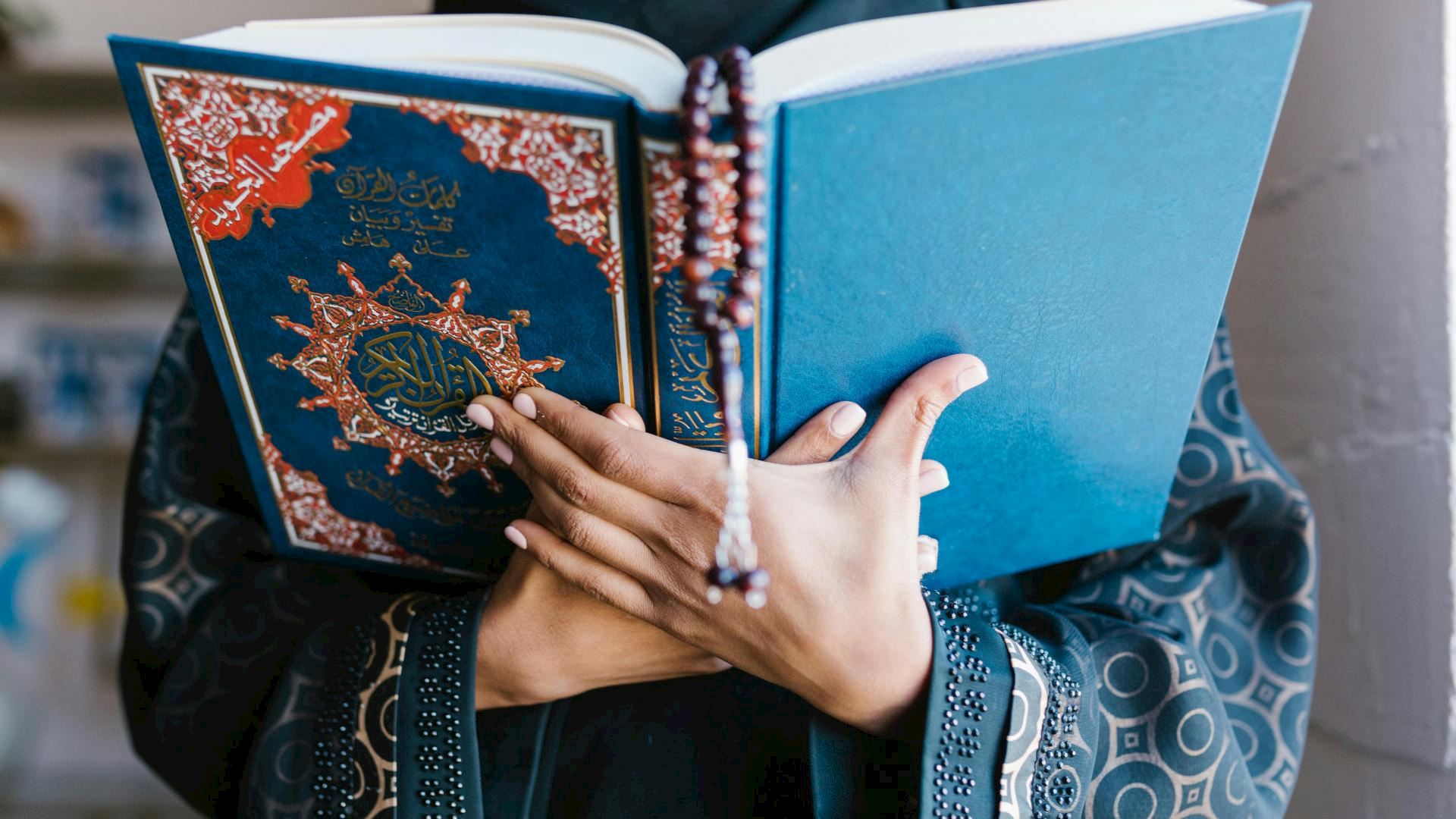
For Muslims, Arabic holds a unique place as the language of the Qur’an. The Qur’an was revealed in Arabic and has been preserved in its original form for more than 1,400 years.
While translations help convey meaning, they cannot fully reflect the depth of the original text. Arabic words often carry layers of meaning that shape understanding, law, and spiritual reflection. Learning Arabic, even at a basic level, helps bring believers closer to the Qur’an itself.
Arabic as a Global Language of Knowledge and Culture
Arabic has long been a language of learning. For centuries, scholars used Arabic to record and expand knowledge in medicine, mathematics, astronomy, and philosophy.
Through trade routes and centers of learning, Arabic texts helped carry ideas across continents. This exchange played a key role in shaping global scholarship and cultural dialogue. Arabic became a bridge between civilizations, connecting regions and traditions that might otherwise never have met.
Today, Arabic continues to influence education, media, and international affairs.
Arabic Speakers Around the World Today
There are over 400 million Arabic speakers in the world, spread across the Middle East, Africa, and global diaspora communities. Arabic is spoken in many dialects, reflecting local culture while maintaining a shared foundation.
This balance between unity and diversity is one reason Arabic remains one of the world’s most enduring languages.
Preserving the Arabic Language for the Future
World Arabic Language Day is not only about celebrating history. It is also about protecting the future of the language.
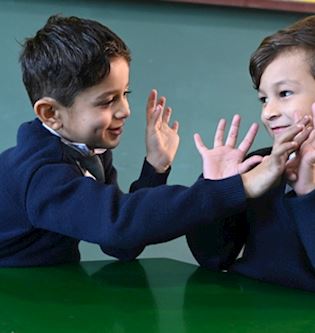
In many regions, access to Arabic education is limited by poverty, displacement, or conflict. Supporting education and literacy helps ensure that future generations can read, understand, and connect with their heritage.
Preserving Arabic means preserving access to faith, knowledge, and cultural identity.
A Language That Continues to Connect Generations
Arabic has carried revelation, preserved knowledge, and connected people across centuries. Its continued relevance is no accident. It endures because people continue to learn it, teach it, and pass it on.
On World Arabic Language Day, we are reminded that languages shape how we understand the world and one another. Arabic remains a powerful link between faith, culture, and shared human history