


The Last 10 Nights of Ramadan: How to Seek Laylat al-Qadr
The last ten nights of Ramadan are the most sacred nights of the entire month. During these nights, Muslims increase prayer, charity, Qur’an recitation, and remembrance while seeking Laylat al-Qadr (the Night of Power). The Qur’an describes this night as better than a thousand months, meaning that acts of worship performed during it carry immense reward. Because the exact night is hidden, believers devote themselves to worship throughout the final ten nights, especially the odd nights.
Why the Last 10 Nights of Ramadan Are So Important
The final nights of Ramadan hold a unique place in Islam because they include Laylat al-Qadr, the night when the Qur’an was first revealed.
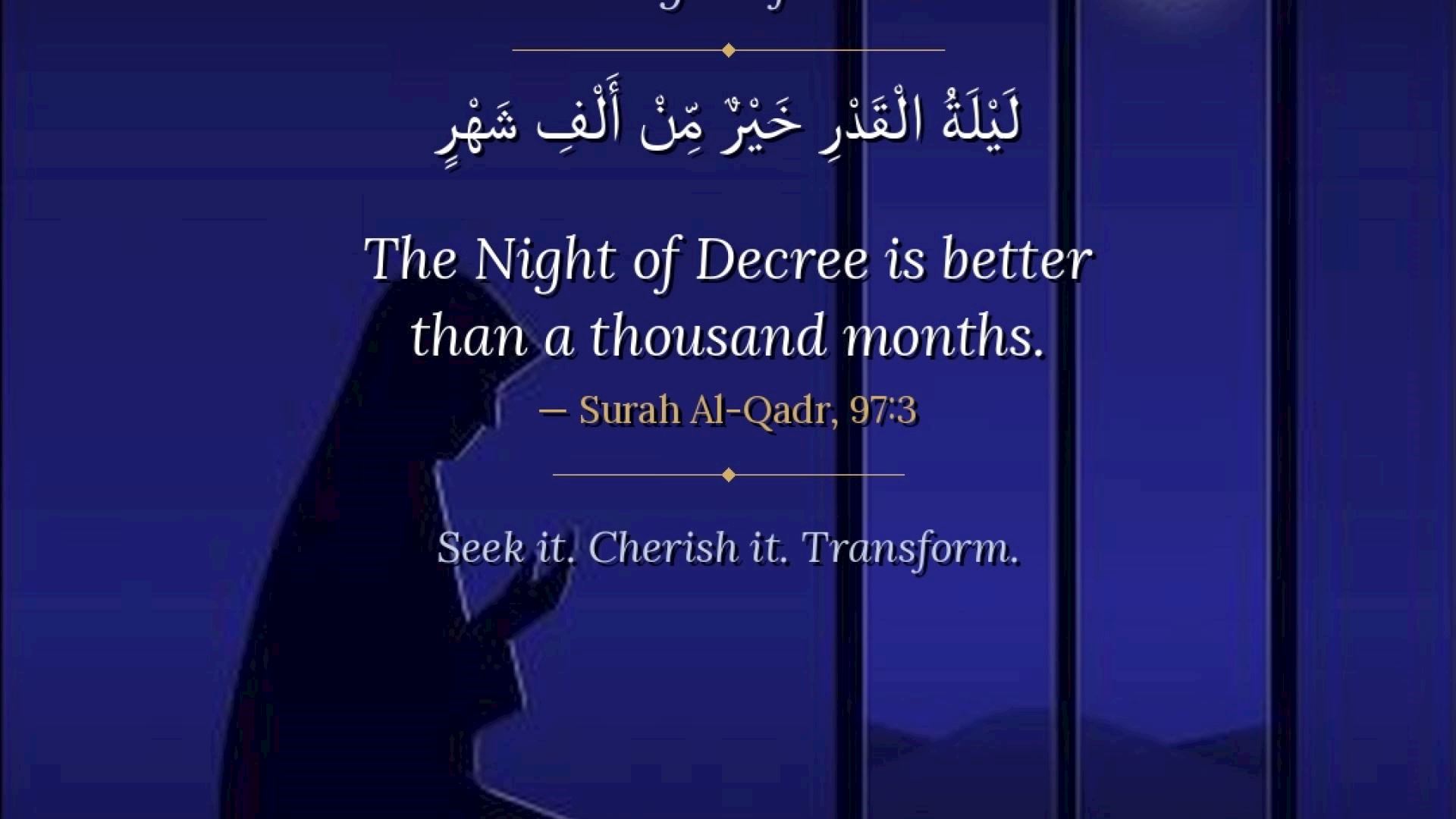
Allah says:
“The Night of Decree is better than a thousand months.”
(Surah Al-Qadr 97:3)
A thousand months equals more than 83 years. This means one night of sincere worship, prayer, and charity can carry reward greater than a lifetime.
Because of this, Muslims increase acts of worship during these nights through:
- Night prayer (Qiyam or Tahajjud)
- Reciting the Qur’an
- Making du’a
- Seeking forgiveness
- Giving charity
Many believers also increase Sadaqah and Zakat donations, hoping their charity coincides with Laylat al-Qadr.
When Are the Last 10 Nights of Ramadan?
The last ten nights begin on the 21st night of Ramadan and continue until the end of the month.
Laylat al-Qadr is believed to fall on one of the odd nights, including:
- 21st night
- 23rd night
- 25th night
- 27th night
- 29th night
Because the exact night is unknown, Muslims increase worship throughout all ten nights.
Aisha (RA) reported:
“When the last ten nights began, the Prophet ﷺ would tighten his belt, stay up at night in prayer, and wake his family.”
(Bukhari and Muslim)
This hadith shows the importance the Prophet ﷺ placed on these nights.
How to Seek Laylat al-Qadr
Muslims seek Laylat al-Qadr by increasing sincere acts of worship.
Some of the best deeds on Laylat al-Qadr include prayer, Qur’an recitation, remembrance of Allah, and acts of charity.
Pray Night Prayers
Extra night prayers are among the most powerful acts of worship during the last ten nights. Even a few sincere units of prayer can carry immense reward.
Make Du’a
One of the most recommended supplications for Laylat al-Qadr was taught by the Prophet ﷺ.
Aisha (RA) asked what to say if she found Laylat al-Qadr, and the Prophet ﷺ replied:
Allahumma innaka ‘afuwwun tuhibbul ‘afwa fa’fu ‘anni
Meaning:
“O Allah, You are Most Forgiving, and You love forgiveness, so forgive me.”
This short du’a is widely recited throughout the final nights of Ramadan.
Recite the Qur’an
Ramadan is known as the month of the Qur’an. Many Muslims increase their recitation or spend time reflecting on its meaning during the last ten nights.
Give Charity
Charity is one of the most powerful acts of worship during these nights. Because Laylat al-Qadr carries immense reward, many believers increase their giving through:
- Sadaqah
- Zakat
- Feeding families
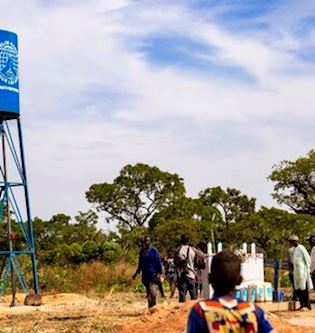
- Providing clean water
- Supporting orphan care
Even a small act of charity can multiply immensely if it coincides with Laylat al-Qadr.
Why Many Muslims Give Charity in the Last 10 Nights
Laylat al-Qadr is described as better than a thousand months.
This means that acts of charity performed during this night may carry reward equal to more than 83 years of giving.
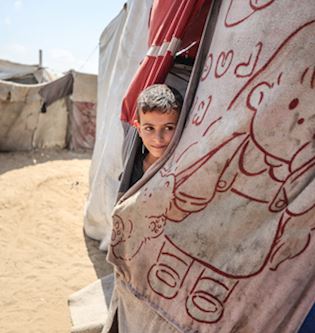
For this reason, many believers increase their donations during the final nights of Ramadan to support those facing hardship around the world.
Your charity can help provide:
- Emergency food for families
- Clean water for communities
- Medical support
- Education for vulnerable children
- Care for orphaned children
Supporting those in need during these nights allows believers to seek Allah’s mercy while helping families facing poverty and hardship.
Emergency Giving
Laylat al-Qadr Quick Guide
What is Laylat al-Qadr?
Laylat al-Qadr, known as the Night of Power, is the night when the Qur’an was first revealed to the Prophet Muhammad ﷺ. It is described in the Qur’an as a night better than a thousand months, meaning that acts of worship performed during it carry immense reward.
When is Laylat al-Qadr?
Laylat al-Qadr occurs during one of the odd nights in the last ten nights of Ramadan.
What are the signs of Laylat al-Qadr?
Islamic tradition mentions several signs associated with Laylat al-Qadr:
- A peaceful and calm night
- Moderate temperature
- A sunrise the next morning without strong rays
However, Muslims are encouraged to focus on worship rather than identifying the exact night.
Laylat al-Qadr Worship Checklist
During the last ten nights, many Muslims try to increase their worship through simple but sincere acts of devotion.
✔ Pray extra night prayers
✔ Recite the Qur’an
✔ Make sincere du’a
✔ Seek forgiveness
✔ Give charity
✔ Remember Allah frequently
Even small acts performed sincerely during these nights can carry immense reward.
FAQs About the Last 10 Nights of Ramadan
Which night is Laylat al-Qadr?
Laylat al-Qadr occurs on one of the odd nights during the final ten nights of Ramadan, such as the 21st, 23rd, 25th, 27th, or 29th night.
Is Laylat al-Qadr always the 27th night?
Many Muslims believe the 27th night may be Laylat al-Qadr, but Islamic scholars emphasize that it can occur on any of the odd nights during the last ten nights.
Why are the last ten nights of Ramadan important?
These nights include Laylat al-Qadr, which the Qur’an describes as a night better than a thousand months.
Final Reflection
The last ten nights of Ramadan are a rare opportunity for forgiveness, mercy, and spiritual renewal.
By increasing prayer, making sincere du’a, and helping those in need, believers can take full advantage of these blessed nights.
Even the smallest act of worship or charity performed during these nights may carry reward far beyond what we can imagine.