


Can I Fast If I’m Sick? Ramadan Fidyah 2026 Guide
Now that we’ve entered the middle of Ramadan 2026, many people are asking difficult but important questions. What if I get sick? What if I’m pregnant? What if I feel too weak to continue fasting?
“Allah intends for you ease and does not intend for you hardship.” (Qur’an 2:185)
“Allah does not burden a soul beyond that it can bear.” (Qur’an 2:286)
Fasting is an obligation, but it is not meant to cause harm. If fasting endangers your health or becomes genuinely unsafe, Islamic law provides clear and compassionate rulings. And if fasting cannot be made up later, fidya for missed fasts allows you to fulfill your obligation by feeding someone in need.
Here is a clear explanation of Ramadan exceptions and what to do if you have already missed fasts in Ramadan 2026.
Who Is Exempt from Fasting in Ramadan?
Islam clearly outlines who is exempt from fasting in Ramadan when hardship exists.
Those exempt include:
- The sick
- The elderly who cannot fast
- Pregnant or breastfeeding women if fasting harms them or their child
- Travelers
- Individuals with chronic medical conditions
If the hardship is temporary, missed fasts must be made up later.
If the hardship is permanent and fasting cannot be resumed, fidyah becomes required.
Can I Skip Fasting If I Am Sick During Ramadan?
Yes. If fasting worsens your illness or delays recovery, you may break your fast.
Islam distinguishes between temporary and chronic illness.
Temporary illness such as flu, infection, surgery recovery, or short-term treatment: Make up the fast after recovery.
Chronic or long-term illness that makes fasting medically unsafe: Fidya for missed fasts may be required instead of making them up.
Fasting while ill in Islam is not meant to cause harm. Protecting your health is part of the ruling.
Fasting While Sick With a Cold: What Is the Ruling?
A mild cold does not automatically exempt someone from fasting.
However, if your cold:
- Causes significant weakness
- Leads to dehydration risk
- Requires daytime medication
- Worsens noticeably while fasting
You may break your fast and make it up later.
The ruling depends on harm. If fasting delays recovery or creates medical risk, the exemption applies.
Do Sick People Have to Fast During Ramadan?
If fasting poses a genuine health risk, they do not.
Temporary sickness: Make up missed fasts after recovery.
Permanent or chronic illness: Fidyah for missed fasts is required instead of making them up.
If you have already missed fasts in Ramadan 2026 due to illness, there is no sin when the excuse is valid. The responsibility now is to either make up the days or fulfill fidyah correctly.
When Missing Fasts Is an Act of Obedience
Missing fasts due to illness, pregnancy, or travel does not make a person sinful when the excuse is valid.
Islamic law is structured around capacity. When health is at risk, the ruling adjusts. Following that concession is obedience.
If your condition is temporary, you make up the fasts later.
If your condition is permanent and fasting cannot be resumed, fidya fulfills the obligation in another form.
Can Pregnant or Breastfeeding Women Skip Fasting?
Yes. If fasting harms the mother or child, she may delay fasting.
“And whoever is ill or on a journey, then an equal number of other days.”
(Qur’an 2:185)
In most cases:
Temporary hardship: Make up the fasts later.
Long-term inability to fast: Fidyah may apply.
Pregnancy and breastfeeding fall under the broader principle of hardship and health protection in Islamic law.
Can You Fast While Traveling in Islam?
Travelers are permitted to break their fast.
“And whoever is ill or on a journey, then an equal number of other days.”
(Qur’an 2:185)
There is no fidyah required for travel. Missed days should be made up after Ramadan.
Travel is a recognized Ramadan exception, and flexibility is built into the ruling.
Making Up Missed Fasts in Ramadan
If your exemption was temporary due to illness, travel, or pregnancy, you must make up those fasts before the next Ramadan.
Delaying without reason should be avoided.
If fasting cannot be resumed due to a chronic condition, fidya becomes the alternative.
What Is Fidyah for Missed Fasts?
Fidya for missed fasts is a payment made to feed one person in need for each day of fasting that cannot be made up.
Fidya applies when:
- A person is chronically ill
- An elderly person cannot fast
- A medical condition permanently prevents fasting
For each missed fast, one person must be fed.
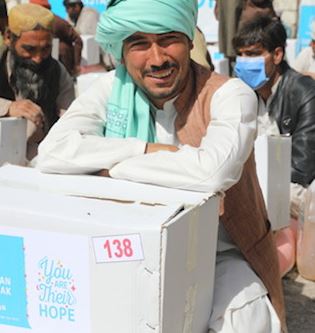
Fulfilling Fidyah does more than complete an obligation. It provides direct food aid to families facing hunger and hardship. Your contribution helps ensure that vulnerable individuals receive meals during Ramadan, turning your missed fast into relief for someone struggling to put food on the table.
If you are unable to fast this Ramadan 2026 due to a long-term medical condition, you can fulfill your obligation through the Muslim Hands USA Fidyah Fund:
How Much Is Fidyah Per Missed Fast in Ramadan 2026?
Fidyah is calculated per missed fast. For every day you are permanently unable to fast, one person in need must be fed.
For Ramadan 2026, the Fidyah amount is:
- $8 per missed fast
- $240 for the full month of 30 days
If you are calculating Fidyah for missed fasts in Ramadan 2026, you can give according to the exact number of days you are unable to fast.
You can calculate and fulfill your Fidyah securely here
Fulfilling Fidyah ensures that your missed fast becomes nourishment for someone facing hardship this Ramadan.
What Is Kaffarah for Breaking a Fast?
Kaffarah is different from fidyah.
Kaffarah applies when someone intentionally breaks a fast without a valid excuse.
The expiation is:
- Fasting 60 consecutive days
or
- Feeding 60 people in need
Kaffarah does not apply to illness, pregnancy, travel, or genuine hardship.
Frequently Asked Questions
Can I break my fast if I am sick during Ramadan?
Yes. If fasting harms your health, you may break your fast and make it up later.
Who is exempt from fasting in Ramadan?
The sick, elderly, travelers, pregnant or breastfeeding women facing harm, and those with chronic illness.
Do I have to pay fidyah if I miss one fast?
Only if you are permanently unable to make it up. Temporary illness requires making up the fast later.
Can I give fidyah online in Ramadan 2026?
Yes. You can fulfill fidyah for missed fasts securely through a verified charity.
Mid-Ramadan Reflection
The middle ten days of Ramadan often bring fatigue and reassessment. If you have missed fasts due to illness or hardship, this is the time to plan responsibly.
Make up what you can. Fulfill fidyah where required.
Ramadan is not about pushing beyond your physical limits. It is about fulfilling your obligation within your capacity.
If illness, pregnancy, or chronic medical conditions prevent you from fasting this Ramadan 2026, your worship does not stop.
When fasting is not possible, feeding someone in need ensures that your responsibility continues in another form.