

When Is Eid al-Fitr 2026? Expected Date, Moon Sighting & Eid Guide
Eid al-Fitr 2026 is expected to begin on the evening of Thursday, March 19, 2026, with the first day of Eid likely falling on Friday, March 20, 2026. The exact date is confirmed when the crescent moon marking the start of Shawwal is sighted.
Eid al-Fitr marks the end of Ramadan, a month devoted to fasting, prayer, and charity. For Muslims around the world, it is a time of celebration, gratitude, and generosity toward those in need.
Many families prepare for Eid by giving Zakat al-Fitr, a charity that ensures everyone can celebrate the holiday with dignity.
Eid al-Fitr 2026 Quick Facts
| Topic | Information |
|---|---|
| Expected Eid Date | Friday, March 20, 2026 |
| Moon Sighting | Evening of March 19 |
| Islamic Month | Shawwal |
| Marks the End of | Ramadan |
| Charity Given | Zakat al-Fitr |
Because the Islamic calendar follows lunar months, the exact date of Eid may vary slightly depending on local moon sightings.
Why the Date of Eid Changes Every Year
The Islamic calendar is based on lunar cycles, meaning each month begins when the new crescent moon becomes visible.
Because lunar months are shorter than the Gregorian calendar:
• Ramadan moves about 10–11 days earlier each year
• Eid also shifts earlier annually
• Moon sighting determines the beginning of Shawwal
The Prophet ﷺ said:
“Fast when you see the moon and break your fast when you see it.”
— Sahih al-Bukhari
For this reason, the appearance of the crescent moon (hilal) signals the end of Ramadan and the start of Eid.
How the Eid Moon Is Sighted
The start of Eid is traditionally confirmed when the new crescent moon of Shawwal is sighted after sunset on the 29th day of Ramadan.
This sighting may be confirmed through:
• local moon sighting committees
• announcements from mosques
• astronomical calculations combined with visual confirmation
Different countries sometimes announce Eid on slightly different days based on regional sightings.
What Happens on Eid al-Fitr
Eid al-Fitr is often called the Festival of Breaking the Fast.
Muslims celebrate by gathering for prayer and sharing food with family and community.
Common Eid traditions include:
• attending Eid prayer at mosques or prayer grounds
• wearing new or special clothing
• visiting relatives and neighbors
• giving gifts to children
• sharing meals with loved ones
Eid is also a time to ensure that those experiencing hardship are not forgotten.
What Is Zakat al-Fitr?
Before the Eid prayer, Muslims give Zakat al-Fitr, a mandatory charity that purifies the fast and provides food for those in need.
The Prophet ﷺ said:
“The Messenger of Allah made Zakat al-Fitr obligatory as purification for the fasting person and as food for the poor.”
— Abu Dawud
Zakat al-Fitr must be given before the Eid prayer so that families in need can prepare for the celebration.
Many Muslims give this charity through trusted organizations that distribute food and aid in vulnerable communities.
How Your Eid Charity Helps Families Around the World
For many families facing poverty or crisis, Eid arrives during difficult circumstances. Charitable donations help provide essential support.
Provide Emergency Food Aid
Food parcels provide staples such as rice, flour, cooking oil, and dates for families experiencing food insecurity.
Deliver Hot Meals
Hot meal programs distribute freshly prepared meals to families in crisis areas such as Gaza and Yemen.
Give the Gift of Clean Water
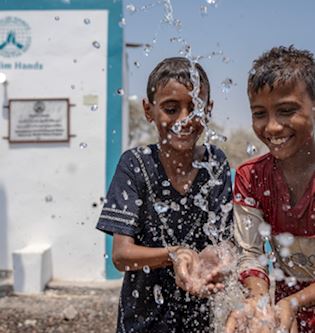
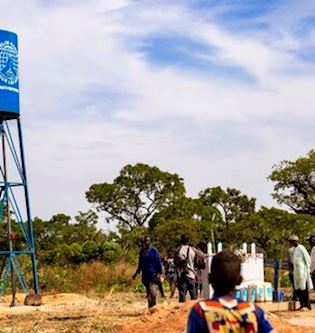
Water projects build sustainable wells that provide safe drinking water for entire communities.
Support Families Facing Emergencies
Emergency appeals deliver urgent aid including food, medical care, and essential supplies.
Through these programs, your generosity helps families celebrate Eid with dignity
Give Today, Help Families Celebrate Eid
How Muslim Hands USA Delivers Aid
Muslim Hands has delivered humanitarian assistance since 1993, supporting communities across multiple regions including:
• Gaza
• Yemen
• Pakistan
• Mali
• Niger
• Senegal
• The Gambia
Donations help fund programs that provide:
• food assistance
• clean water
• medical support
• emergency relief
These initiatives help families meet their basic needs while building long-term resilience.
When Should You Give Zakat al-Fitr?
Zakat al-Fitr should be given before the Eid prayer.
Scholars recommend giving it:
• during the last days of Ramadan
• one to two days before Eid
• early enough for aid to reach families before the celebration
Giving earlier allows charities to distribute food and assistance in time for Eid.
When Is Eid al-Fitr Each Year?
| Year | Expected Eid Date |
|---|---|
| 2025 | March 30 |
| 2026 | March 20 |
| 2027 | March 9 |
| 2028 | February 26 |
Because the Islamic calendar follows lunar months, the exact date is always confirmed through moon sighting.
Prepare for Eid al-Fitr
As Ramadan draws to a close, Muslims reflect on the blessings of the month and prepare to celebrate Eid with family and community.
For many people around the world, however, the holiday can be challenging due to poverty or conflict.
Your generosity can help provide food, water, and essential aid so families everywhere can celebrate Eid with dignity.
Frequently Asked Questions About Eid al-Fitr
When is Eid al-Fitr 2026 in the United States?
Eid al-Fitr 2026 is expected to begin on the evening of March 19, with the first day of Eid likely falling on March 20, depending on moon sighting.
Why does the date of Eid change every year?
The Islamic calendar follows the lunar cycle, which is about 10–11 days shorter than the Gregorian calendar.
What is the difference between Eid al-Fitr and Eid al-Adha?
Eid al-Fitr celebrates the end of Ramadan, while Eid al-Adha commemorates the sacrifice of Prophet Ibrahim and occurs during the Hajj season.
Can I give Zakat al-Fitr online?
Yes. Many charities collect Zakat al-Fitr online and distribute food and aid to eligible families before Eid prayer.