


Inclusion in Islam: Supporting People with Disabilities
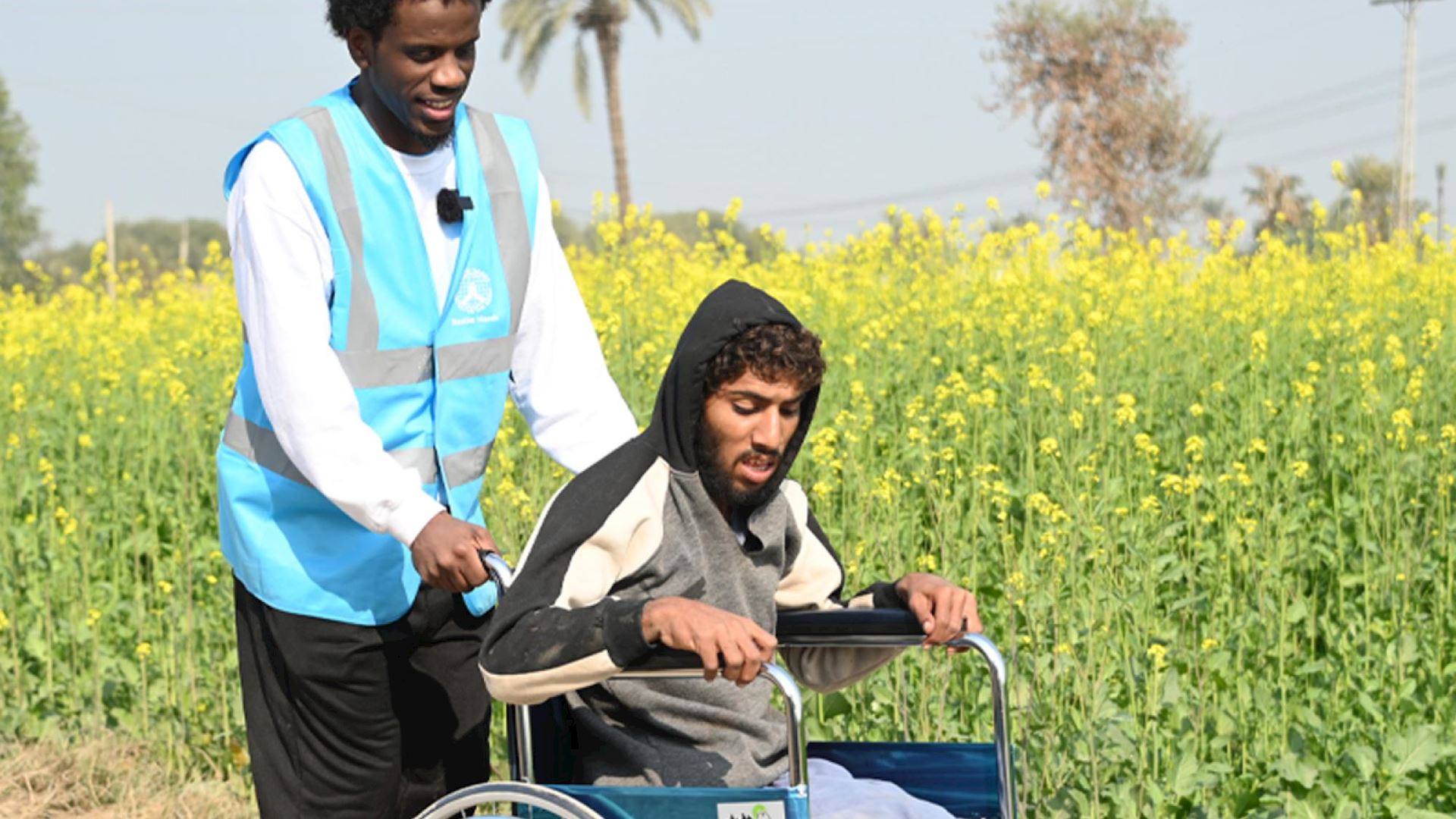
People with disabilities have always been part of our Ummah, and Islam teaches that disability in Islam is never a source of shame or reduced worth. Their presence in our community is a trust and a responsibility that calls us to live the compassion our faith teaches.
International Day of Persons with Disabilities
Every year on December 3, the world observes the International Day of Persons with Disabilities. This global awareness day highlights the rights, dignity, and inclusion of people living with disabilities.
For Muslims, this message is deeply connected to our own teachings. Disability in Islam is viewed with honor and respect, and supporting those who face additional challenges is considered an act of compassion and justice. On this day, we reflect on how our communities can remove barriers, offer meaningful support, and uphold the Islamic responsibility of caring for those who may be more vulnerable during hardship, especially in winter and crisis settings.
Disability in Islam: What Does Islam Say About Disabilities?
Islam teaches that every person has inherent dignity and value, regardless of physical or cognitive ability. The Qur’an honors all children of Adam(as). The Prophet Muhammad (pbuh) treated people with disabilities with care, respect, and full participation in community life. Early Muslim communities empowered individuals with disabilities rather than excluding them.
Islam Teaches Honor for Every Human Being
The Qur’an teaches that honor is given to every person.
“We have certainly honored the children of Adam.” (Qur’an 17:70)
Honor is not tied to physical ability, strength, or status. It is a right.
One of the most respected companions of the Prophet Muhammad (pbuh), Ibn Umm Maktum, was blind. Yet he was chosen to be a caller to prayer and was appointed to lead the city of Madinah during the Prophet’s travels. His disability never limited his role or dignity.
Islamic history contains many similar examples. Inclusion was meaningful and practical, and it allowed every member of the community to contribute.
Compassion in Islam Requires Action
Islamic compassion calls us to take practical steps to support others. It means removing hardship when possible and creating environments where people with disabilities can live with comfort and dignity.
Families caring for loved ones with disabilities often face additional pressures. These hardships become severe in crisis zones and during the winter months. Many families struggle with:
- Higher medical expenses
- Increased heating needs
- Limited income opportunities
- Mobility challenges in cold weather
- Difficulty accessing food, medicine, and daily care
These challenges make them among the most vulnerable during emergencies.
Zakat Can Support Families with Disabilities
Zakat is a powerful tool to uplift families facing long-term hardship. Many individuals with disabilities qualify for Zakat due to medical needs, limited income, or ongoing dependency.
Zakat can help a parent who cannot work while caring for a disabled child.
It can help an elderly individual who needs consistent medication or warmth during winter.
It can support a family that struggles to afford medical care or essential supplies.
Supporting these families is part of our duty as a community.
Winter Is the Most Difficult Time for Vulnerable Families
Cold weather does not affect every household in the same way. For families caring for someone with a disability, winter quickly becomes dangerous.
- Cold temperatures can worsen medical conditions.
- Mobility becomes more hazardous.
- Heating costs can consume a family's income.
- Access to food and essential items becomes more difficult.
Your support through the Winter Appeal helps families stay warm, safe, and nourished. It brings relief at a time when many feel the pressure of the season.
The Prophet’s Example of Listening and Care
A woman with a mental disability once approached the Prophet Muhammad and asked for assistance. He listened to her concerns and walked with her until her needs were addressed. His patience and kindness set a clear example for how Muslims should treat people who require extra support.
Anas reported that a woman had a partial derangement in her mind, so she said. Allah's Messenger, I want something from you. He said:
“Mother of so and so, see on which side of the road you would like (to stand and talk) so that I may do the needful for you. He stood aside with her on the roadside until she got what she needed.”
- Sahih Muslim 2326
His behavior teaches us that inclusion is a core value in Islam.
How You Can Support with Dignity
There are many meaningful ways to support people with disabilities and their caregivers:
Even a small act of relief can make life safer and more dignified for someone who needs extra care.
Frequently Asked Questions
Are people with disabilities eligible for Zakat?
Yes. Individuals with disabilities often qualify for Zakat due to medical needs, limited income, or long-term hardship.
How did the Prophet Muhammad treat people with disabilities?
He treated them with care, attention, and respect. He listened to their needs, welcomed them into the community, and ensured their concerns were addressed.
What responsibilities do Muslims have toward people with disabilities?
Islam encourages removing hardship, offering support, protecting dignity, and ensuring equal participation in the community.
Your Support Makes Inclusion Possible
Supporting people with disabilities is a core part of how Muslims live the values of disability in Islam. It reflects the mercy, justice, and dignity Allah calls us to uphold.
As we observe this awareness day, we remember that compassion is not limited to a single moment. It is a continuous effort. Your generosity protects families, restores dignity, and reflects the mercy taught in our faith.
Your kindness brings hope to those who need it most.