


When Is Ramadan 2026? Moon Sighting, Start Date
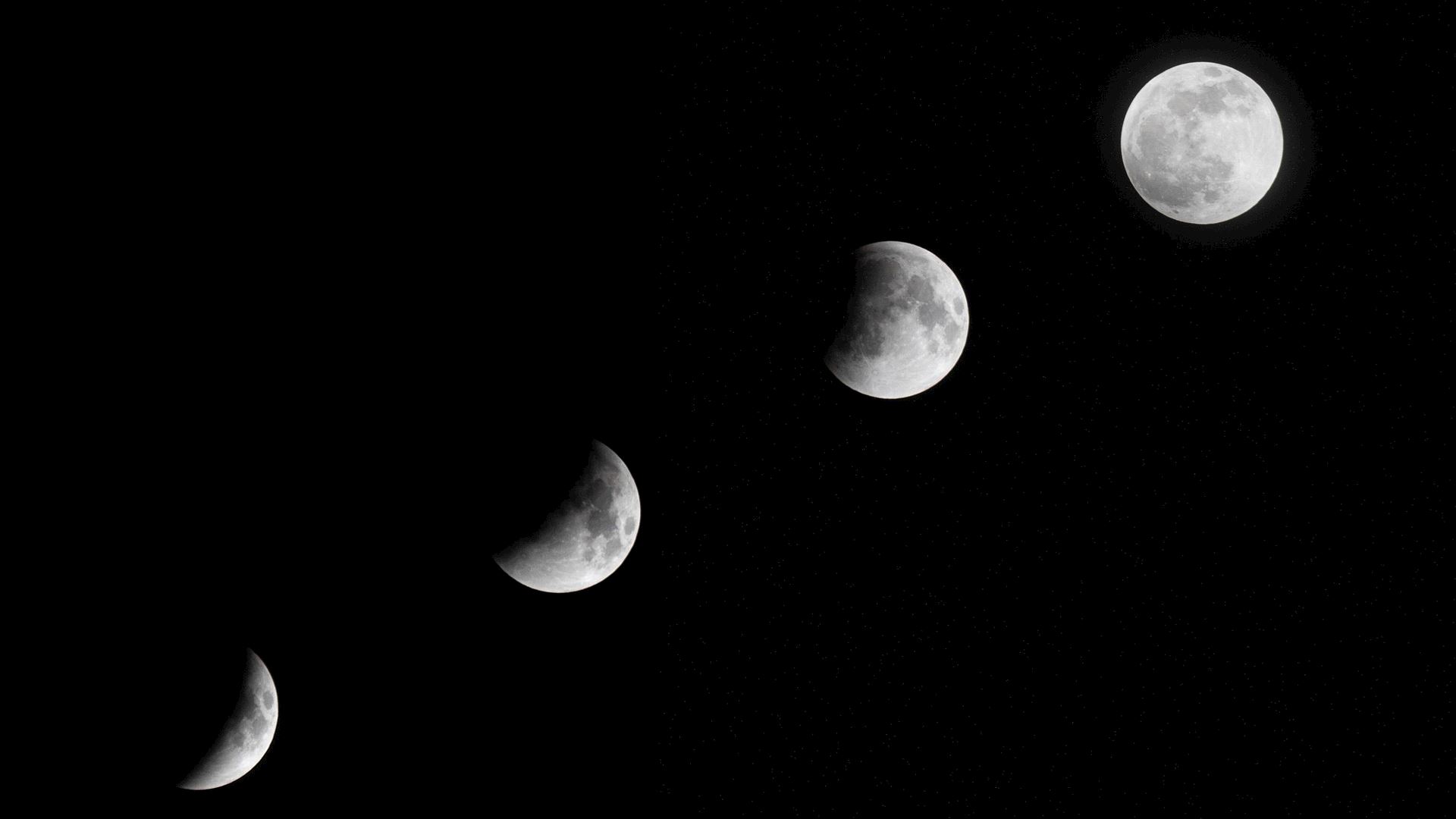
Ramadan 2026 is expected to begin on the evening of Tuesday, February 17, 2026, with the first day of fasting on Wednesday, February 18, 2026, depending on the sighting of the new crescent moon.
Because Ramadan follows the Islamic lunar calendar, the exact start date depends on moon sighting confirmation, not a fixed solar date.
Here is what that means and why it matters.
When Is Ramadan 2026 in the USA?
In North America, Islamic organizations that use astronomical calculations have projected:
-
Ramadan 2026 start date: February 18, 2026
-
Moon sighting expected: February 17, 2026 at sunset
However, final confirmation depends on official announcements.
Many Muslims in the United States follow guidance from organizations such as:
-
The Fiqh Council of North America
-
The Islamic Society of North America
-
Local moon sighting committees
Always confirm with your local masjid or Islamic authority.
How Is the Moon Sighted for Ramadan?
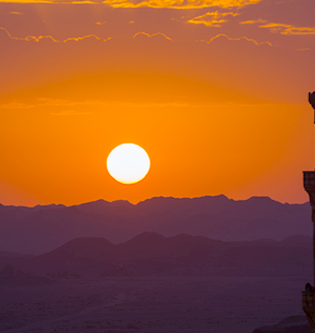
Ramadan begins when the new crescent moon, called the hilal, is sighted.
The Prophet Muhammad ﷺ said:
“Fast when you see it and break your fast when you see it. If it is cloudy, then complete thirty days.” (Sahih Muslim)
Here is how the process works:
-
On the 29th day of Sha’ban, Muslims look for the new crescent moon.
-
If the hilal is seen after sunset, Ramadan begins the next day.
-
If it is not visible due to weather or visibility conditions, Sha’ban completes 30 days.
-
Ramadan then begins the following day.
Because the lunar month is about 29.5 days, Islamic months alternate between 29 and 30 days.
What Is the Hilal?
The hilal is the thin crescent moon that appears shortly after the new moon phase.
The Qur’an explains the role of the moon in marking time:
“They ask you about the phases of the moon. Say, they are measurements of time for people and for pilgrimage.” (Qur’an 2:189)
The Islamic calendar is built entirely around these lunar phases.
Why Does Ramadan Move Every Year?
Ramadan shifts about 10–11 days earlier each year because the Islamic calendar is lunar, not solar.
Here is the difference:
-
The Gregorian calendar follows the sun (365 days).
-
The Islamic calendar follows the moon (354 days).
Because the lunar year is shorter, Ramadan gradually moves through all seasons over a 33-year cycle.
This is why Ramadan can fall in winter one year and summer years later.
Does Ramadan Start on Different Days Around the World?
Yes, sometimes it does.
Moon visibility depends on:
-
Geographic location
-
Atmospheric conditions
-
Time of sunset
-
Horizon clarity
Different countries follow different methods:
-
Local sighting only
-
National sighting committees
-
Global moon sighting
-
Astronomical calculations
This is why Ramadan may begin on different dates in different countries.
Why Is Ramadan Holy?
Muslims believe Ramadan is the month when the first verses of the Qur’an were revealed to Prophet Muhammad ﷺ.
During Ramadan:
-
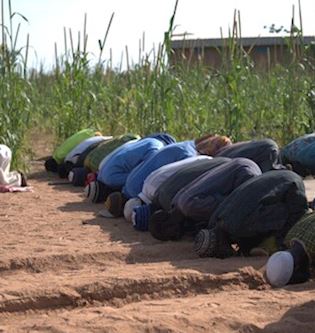
Muslims fast from dawn (Fajr) to sunset (Maghrib)
-
They abstain from food, drink, and marital relations during fasting hours
-
They increase prayer, charity, and reflection
Fasting is one of the Five Pillars of Islam, alongside:
-
Shahadah (faith declaration)
-
Salah (prayer)
-
Zakat (charity)
-
Hajj (pilgrimage)
Ramadan is not only about fasting. It is about spiritual discipline, self-control, and generosity.
Why Charity Increases During Ramadan
Ramadan is historically known as the month of giving.
Many Muslims:
-
Pay their Zakat during Ramadan
-
Give Sadaqah daily
-
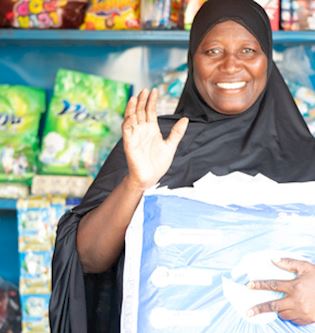
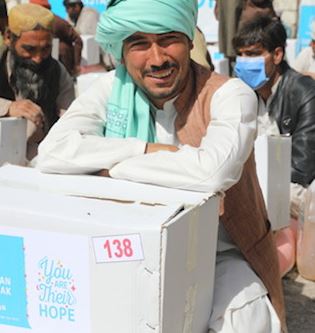
Support food programs
-
Sponsor orphans
-
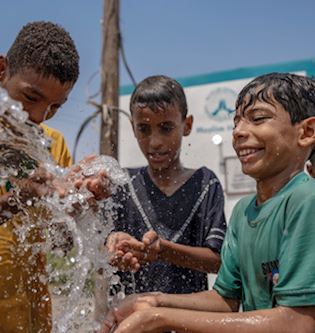
Fund water projects
If you are preparing for Ramadan 2026, consider planning your giving early.
You can:
Giving during Ramadan multiplies reward and strengthens communities worldwide.
Quick Summary: Ramadan 2026
-
Expected start: February 18, 2026
-
Confirmed by: Moon sighting
-
Calendar type: Lunar
-
Why it changes: Islamic year is 354 days
-
Why it matters: Month of Qur’an, fasting, and charity
Prepare for Ramadan 2026 with Purpose
Ramadan is not only a date on the calendar. It is a season of renewal.
Start preparing now:
-
Review your Zakat obligations
-
Plan your charitable giving
-
Set spiritual goals
-
Follow moon sighting updates
Let this Ramadan be organized, intentional, and impactful.