


Surah al-Kahf on Friday: Benefits and When to Read It
You can read Surah al-Kahf on Friday before Maghrib. Many scholars also include Thursday evening after Maghrib, which marks the start of Friday in the Islamic calendar. Reciting the full surah is a recommended Friday practice. A narration describes its virtue as a light between two Fridays, while a separate hadith connects memorizing its first ten verses with protection from the Dajjal.
When Should You Read Surah al-Kahf on Friday?
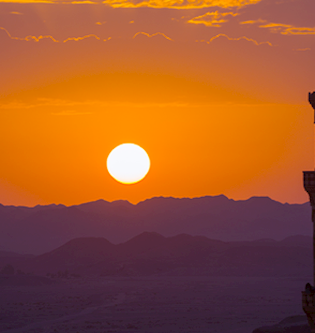
A widely followed reading window begins at Thursday Maghrib and ends at Friday Maghrib. If you prefer to read during the day, you can recite it after Fajr, before or after Jumu‘ah prayer, or after Asr as long as you finish before sunset.
SeekersGuidance explains the timing and cites the Hanafi scholar Ibn ‘Abidin, who encouraged reading early on Friday so you have time to finish and are less likely to forget. If your Fridays tend to fill up quickly, Thursday evening can be a good time to start.
Read the full Surah al-Kahf in Arabic with translation and audio
What Is Surah al-Kahf?
Surah al-Kahf means “The Cave.” It is the 18th chapter of the Qur’an and contains 110 verses. Its name comes from the story of young believers who took shelter in a cave and asked Allah for mercy and guidance.
The surah also tells of a man with two gardens, Prophet Musa’s journey with al-Khidr, and Dhul-Qarnayn’s encounter with a community seeking protection. Each story gives us something different to consider about faith, wealth, knowledge, or power.
What Are the Benefits of Reading Surah al-Kahf on Friday?
A light between two Fridays
A narration from Abu Sa‘id al-Khudri says:
“Whoever recites Surah al-Kahf on Friday, light will shine for him between the two Fridays.”
The report is recorded by al-Bayhaqi in al-Sunan al-Kubra, no. 6078. Scholars have differed over whether the wording is traced directly to the Prophet Muhammad ﷺ or reported as a statement of Abu Sa‘id. Many scholars recommend Friday recitation on the strength of the reports on this practice.
Protection from the Dajjal
Abu al-Darda’ reported that the Prophet Muhammad ﷺ said:
“If anyone learns by heart the first ten verses of the Surah al-Kahf, he will be protected from the Dajjal.”
This hadith is recorded in Sahih Muslim 809a. Sahih Muslim 809b also records a version that mentions the last ten verses. The hadith about memorization applies throughout the week.
Four stories to reflect on
-
The People of the Cave remind us to seek Allah’s help when faith is tested. When the young believers took refuge, they asked Allah for mercy and guidance through their ordeal. Their dua in verse 10 is a short place to begin if you want to reflect on one verse this Friday.
-
The owner of the two gardens reminds us to meet success with gratitude. His companion urged him to recognize that his prosperity was by Allah’s will. Verse 39 gives us words to remember when we see a blessing we might otherwise take for granted.
-
Prophet Musa’s journey with al-Khidr teaches humility in seeking knowledge. At the end of their journey, the reasons behind events Musa had questioned became clear. Verse 82 closes the story with the explanation of a wall rebuilt to protect two orphans’ inheritance.
-
Dhul-Qarnayn shows how power can serve others. He helped a community build a barrier for its protection and described what he accomplished as a mercy from Allah.
Do You Have to Read the Whole Surah on Friday?
For the Friday practice, aim to recite all 110 verses. The narration about light refers to Surah al-Kahf as a whole. The first ten verses are the focus of the separate hadith about memorization and protection from the Dajjal.
You can read the surah in one sitting or divide it into parts. If you’re building the habit, try this two-part plan:
-
Read verses 1–59 on Thursday evening or after Fajr on Friday.
-
Read verses 60–110 later on Friday, before Maghrib. Verse 60 begins the story of Prophet Musa’s journey, giving you a natural place to pick up.
-
Choose one verse to revisit. Read its translation and consider how it applies to something you’re facing this week.
If you also want to memorize the opening verses, practice one or two at a time during the week. Listening to a reciter while following the Arabic can help you learn the pronunciation.
Make Sadaqah Part of Your Friday Routine
The story of the two gardens invites us to consider how we use what Allah has entrusted to us. If you’re setting aside Sadaqah this Friday, you can choose a cause that fits what you want to help provide.
-
Clean water. Support long-term access to safe water through the Gift of Water appeal.
-
Orphan care. Sponsor an orphan to help provide education, nutritious meals, and healthcare.
-
Urgent relief. Donate to Where Most Needed to help Muslim Hands USA respond to needs such as emergency food, safe water, and medical aid.
Frequently Asked Questions
Can I read Surah al-Kahf after Asr on Friday?
Yes. You can read it after Asr and finish before your local Maghrib time. The recitation can take place before or after Jumu‘ah prayer.
Does Friday night mean Thursday night?
In this context, yes. The Islamic calendar day begins at sunset, so the night preceding Friday begins at Maghrib on Thursday. Sunset on Friday marks the beginning of the next Islamic day.
Can I listen to Surah al-Kahf or read the English translation?
Listening helps with pronunciation, and reading a translation helps you understand the meaning. If your aim is to follow the Friday practice of recitation, recite in Arabic as you’re able. You can listen and follow along, then read the translation for reflection.
What if I forget to read Surah al-Kahf on Friday?
Friday recitation is recommended. You can still read Surah al-Kahf whenever you remember and return to your Friday routine the following week.
Read Surah al-Kahf · Donate Where Most Needed