


How to Perform Hajj Step by Step: A Simple Guide for First-Time Pilgrim
Hajj is one of the five pillars of Islam and a once-in-a-lifetime journey for those who are able.
It is a series of sacred steps performed over several days in Makkah.
Hajj is completed by entering a state of Ihram, performing Tawaf, walking between Safa and Marwah, standing at Arafah, and completing key rituals that follow.
If it feels overwhelming, don’t worry.
This guide breaks it down into simple, clear steps.
What Is Hajj in Islam?
Hajj is the pilgrimage to Makkah that every Muslim must perform at least once in their lifetime if they are physically and financially able.
It takes place during the month of Dhul Hijjah.
Each step reflects:
- Obedience
- Sacrifice
- Unity
Millions of Muslims gather, dressed the same, standing equal before Allah.
How Long Does Hajj Take?
Hajj takes place over 5 to 6 days.
Each day includes specific rituals performed in a set order.
Step-by-Step Guide to Hajj
Here’s a simple breakdown of the main steps:
1. Enter Ihram
Before reaching Makkah, pilgrims enter a sacred state called Ihram.
This includes:
- Wearing simple white garments
- Making intention for Hajj
- Reciting the Talbiyah
2. Perform Tawaf
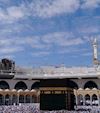
Pilgrims circle the Kaaba seven times.
This represents:
- Unity in worship
- Complete devotion to Allah
3. Sa’i (Walking Between Safa and Marwah)
Walk between the two hills seven times.
This honors the struggle of Hajar (AS) in search of water for her son.
4. Travel to Mina
Pilgrims travel to Mina and spend the day in prayer and reflection.
5. Stand at Arafah (The Most Important Day)
This is the most important part of Hajj.
Pilgrims stand in prayer, asking for forgiveness and mercy.
Missing this step means the Hajj is not complete.
6. Muzdalifah
After sunset, pilgrims travel to Muzdalifah:
- Pray
- Rest
- Collect pebbles for the next ritual
7. Rami (Stoning the Pillars)
Pilgrims throw pebbles at symbolic pillars.
This represents rejecting evil and temptation.
8. Qurbani (Sacrifice)
An animal is sacrificed in remembrance of Prophet Ibrahim (AS).
The meat is distributed to those in need.
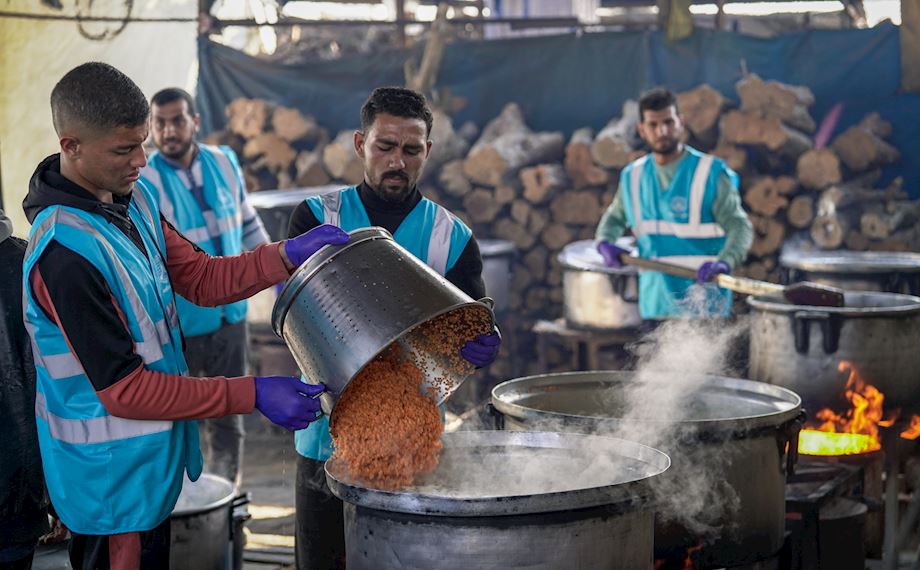
This step connects Hajj to charity and feeding families worldwide.
9. Final Tawaf
Pilgrims return to Makkah and perform Tawaf again before completing Hajj.
Why Qurbani Is an Important Part of Hajj
Qurbani is not just a ritual.
It is a reminder of sacrifice, obedience, and giving.
Today, your Qurbani:
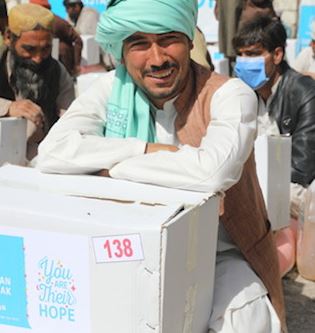
- Feeds families who rarely eat meat
- Supports communities in need
- Extends the spirit of Hajj beyond Makkah
You Don’t Have to Be There to Be Part of It
Even if you are not performing Hajj this year, you can still share in its rewards.
During Dhul Hijjah, your charity can:
- Feed families through Qurbani
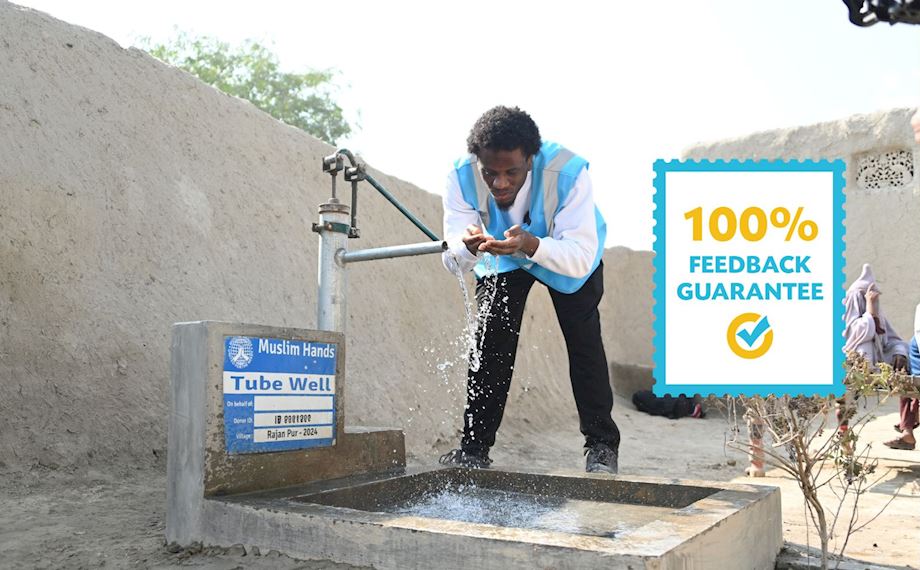
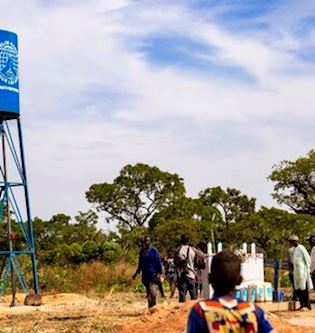
- Provide clean water
- Support those in crisis
Ways You Can Give During Hajj Season
Give Your Qurbani
- Starts from $45
- Distributed across multiple countries
Fulfill your Qurbani and feed families this Eid
Support Emergency Appeals
Build a Water Well
Sponsor an Orphan
Make This Season Count
Hajj is a journey of sacrifice, humility, and devotion.
Even if you are not there physically, you can still:
- Act
- Give
- Multiply your reward
These days will pass.
What you give during them can last far beyond.