


The 3 Days After Eid Most People Miss: Days of Tashreeq Explained
The Days of Tashreeq are the 11th, 12th, and 13th of Dhul Hijjah. These are days of eating, remembering Allah, and saying Takbeer after Eid al-Adha. Fasting is not permitted during these days.
After the excitement of Eid, many people assume the most important days are over.
They’re not.
These three days still carry reward, meaning, and purpose. If you use them right, they help you carry the momentum of Dhul Hijjah forward instead of letting it fade.
What Are the Days of Tashreeq in Islam?
The Days of Tashreeq come immediately after Eid al-Adha, on the:
- 11th of Dhul Hijjah
- 12th of Dhul Hijjah
- 13th of Dhul Hijjah
They are known as Ayyam al-Tashreeq, and the Prophet ﷺ described them as:
Days of eating, drinking, and remembering Allah.
These are not days of fasting or restriction. Instead, they are days of gratitude, remembrance, and continued connection to Allah.
Read more: Best Ten Days of Dhul Hijjah
When Are the Days of Tashreeq in 2026?
In 2026, Dhul Hijjah is expected to begin around May 18, 2026.
That means the Days of Tashreeq will likely fall on:
- May 27 (11th Dhul Hijjah)
- May 28 (12th Dhul Hijjah)
- May 29 (13th Dhul Hijjah)
(Dates may vary slightly based on moon sighting.)
Read more: When is Eid Al- Adha 2026
Why Are the Days of Tashreeq Important?
It’s easy to overlook these days because Eid feels like the “final moment.”
But in reality, these days are part of the same sacred period.
They matter because they:
- Extend the blessings of Dhul Hijjah
- Keep you in a state of remembrance
- Connect you to the rituals of Hajj
- Remind you that worship doesn’t stop after Eid
Think of them as the continuation, not the conclusion.
What Should You Do During the Days of Tashreeq?
These days are simple but powerful when done with intention.
Give Charity
Eat and Drink with Gratitude
These are days when enjoying food is encouraged.
But the mindset shifts from celebration to thankfulness.
Remember Allah Often (Dhikr)
Fill your day with:
- SubhanAllah
- Alhamdulillah
- Allahu Akbar
Even small moments of dhikr carry weight in these days.
Say Takbeer Tashreeq
This is one of the most important acts during these days.
How to Continue Good Deeds After Eid
This is where most people drop off.
Ramadan builds habits.
Dhul Hijjah builds momentum.
Eid feels like a peak.
Then… everything slows down.
But these days are your chance to keep going.
Simple ways to continue:
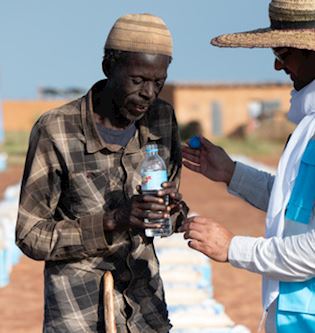
- Give Sadaqah, even a small amount
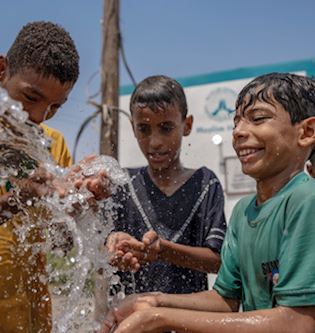
- Support a water project (ongoing reward)
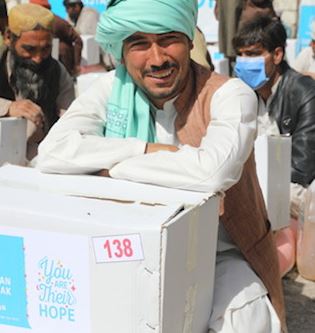
- Help provide food to families still in need
- Sponsor an orphan and create lasting impact
Eid may have passed, but the need hasn’t.
And neither has the opportunity for reward.

What Is Takbeer Tashreeq and When Do You Say It?
Takbeer Tashreeq is the remembrance recited after obligatory prayers during these days.
It typically begins after Fajr on the 9th of Dhul Hijjah (Day of Arafah) and continues until Asr on the 13th.
The Takbeer:
Allahu Akbar, Allahu Akbar,
La ilaha illa Allah,
Allahu Akbar, Allahu Akbar,
Wa lillahil hamd
Saying this consistently:
- keeps your heart connected
- strengthens awareness of Allah
- continues the spirit of Eid
Can You Fast During the Days of Tashreeq?
No, fasting is not allowed during the Days of Tashreeq.
These are specifically days of:
- eating
- drinking
- remembrance
This makes them unique compared to the earlier days of Dhul Hijjah, where fasting is highly recommended.
While fasting is not allowed during these days, it is highly recommended earlier in the month, especially on the Day of Arafah.
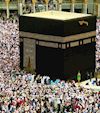
What Happens During These Days in Hajj?
For those performing Hajj, these days are spent in Mina, completing important rituals like:
- the stoning of the Jamarat
- continued remembrance of Allah
Even if you are not on Hajj, these days connect you spiritually to that journey.
Don’t Let These Days Pass Without Action
The Days of Tashreeq are not about doing something new.
They are about continuing what you started.
A simple dhikr.
A small act of charity.
A moment of gratitude.
It all counts.
Give today and carry the reward of Dhul Hijjah forward.