


Suhoor and Iftar Times in Ramadan 2026 Explained
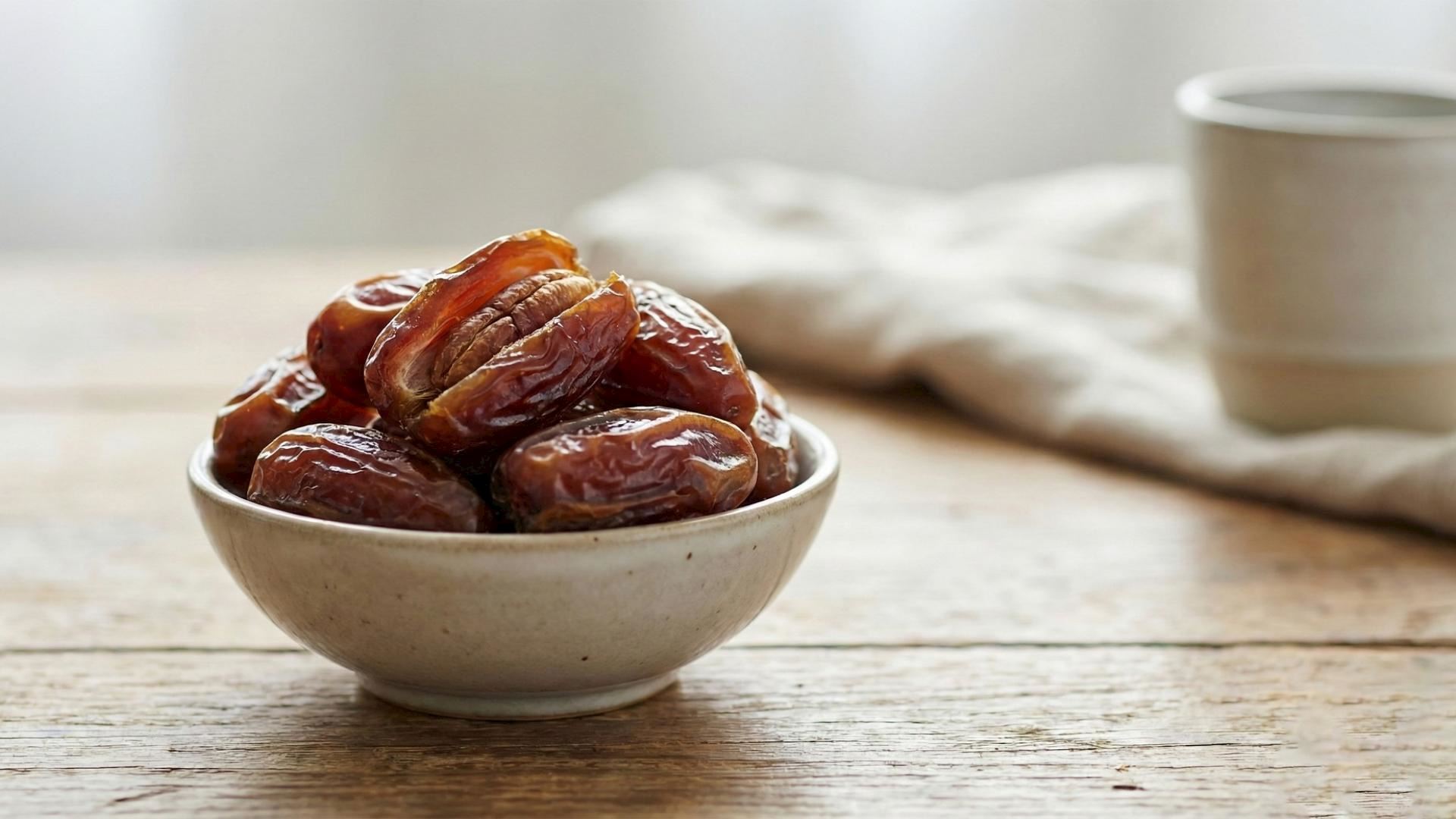

Suhoor and Iftar are the two meals that define daily fasting in Ramadan. Suhoor is the pre-dawn meal eaten before Fajr, and Iftar is the meal that breaks the fast at sunset when Maghrib begins. Suhoor ends at Fajr time, and Iftar begins immediately at sunset.
Correct timing is required for a valid fast in Islam.
Suhoor and Iftar Quick Summary
-
Suhoor is the pre-dawn meal before Fajr.
-
Fasting begins at Fajr, not sunrise.
-
Iftar begins at sunset when Maghrib enters.
-
The Sunnah is to delay Suhoor and hasten Iftar.
-
Breaking fast before sunset invalidates the fast.
-
Suhoor is recommended but not obligatory.
What Is Suhoor in Islam?
Suhoor is the pre-dawn meal eaten before the Fajr prayer during Ramadan.
It marks the beginning of the daily fast. Once Fajr time enters, eating and drinking must stop immediately.
The Prophet ﷺ said:
“Eat Suhoor, for in Suhoor there is blessing.”
Reported in Sahih Bukhari and Sahih Muslim.
Suhoor is a confirmed Sunnah. The fast remains valid without it, but deliberately skipping it abandons prophetic guidance.
What Is Iftar in Islam?
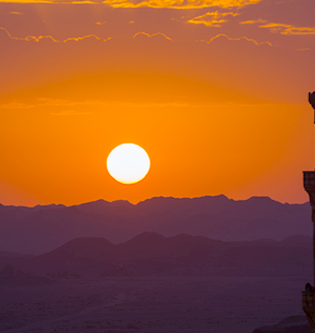
Iftar is the breaking of the fast at sunset during Ramadan.
The fast ends the moment the sun has completely set and Maghrib time begins.
Once sunset occurs:
-
Eating becomes permissible
-
Drinking becomes permissible
-
The fast is complete
The Prophet ﷺ would break his fast immediately at sunset. This is reported in authentic hadith collections, including Sahih Muslim.
| Suhoor | Iftar |
|---|---|
| Pre-dawn meal | Sunset meal |
| Ends at Fajr | Begins at Maghrib |
| Starts the fast | Ends the fast |
| Sunnah to delay | Sunnah to hasten |
Both Suhoor and Iftar are tied directly to prayer times, not personal convenience.
When Does Suhoor End?
Suhoor ends at Fajr.
When Fajr time begins:
-
Eating must stop immediately.
-
Drinking must stop immediately.
-
The fast officially begins.
Islamic scholars agree that fasting begins at true dawn. For accuracy, follow a reliable Ramadan timetable for your city.
To avoid uncertainty, many scholars recommend stopping Suhoor a few minutes before Fajr.
When Should You Break Your Fast?
You should break your fast immediately when the sun sets.
The Sunnah is to hasten Iftar. The Prophet ﷺ would not delay breaking the fast once Maghrib entered.
The correct time to break fast in Islam is:
-
After confirming sunset
-
At the beginning of Maghrib prayer time
Breaking the fast before sunset invalidates the fast and requires compensation.
The Sunnah of Suhoor
The Sunnah practices of Suhoor include:
-
Delaying Suhoor until shortly before Fajr
-
Eating even a small amount
-
Maintaining intention to fast
-
Choosing moderate, sustaining foods
Authentic narrations describe that the Prophet ﷺ and his companions delayed Suhoor close to Fajr.
The Sunnah of Iftar
The Sunnah way to break fast includes:
-
Breaking the fast immediately at sunset
-
Breaking the fast with fresh dates
-
If dates are unavailable, drinking water
-
Making du’a at the time of breaking the fast
It is reported that the Prophet ﷺ would break his fast with dates before praying Maghrib.
The proper order:
-
Break fast
-
Pray Maghrib
-
Eat the main meal
Does Eating After Fajr Invalidate the Fast?
Yes.
If someone knowingly eats or drinks after Fajr time begins, the fast for that day is invalid and must be made up.
If someone eats unintentionally out of genuine forgetfulness, scholars differ in specific rulings. However, once aware of the time, eating must stop immediately.
Can You Break Your Fast Before Sunset?
No.
Breaking the fast before sunset invalidates the fast. If done deliberately, it requires repentance and making up the fast.
Fasting ends only after confirmed sunset.
Is Suhoor Required for a Valid Fast?
No.
Suhoor is not obligatory for the fast to be valid. However, it is a confirmed Sunnah and carries blessing according to authentic hadith.
Consistently abandoning Suhoor without reason goes against prophetic practice.
What to Eat for Suhoor in Ramadan
Suhoor should provide sustained energy.
Recommended Suhoor foods include:
-
Protein such as eggs, yogurt, or legumes
-
Complex carbohydrates such as oats or whole grains
-
Hydrating foods such as fruit
-
Adequate water intake
Avoid excessive sugar and high-salt foods, as they increase thirst.
What to Eat for Iftar
Begin Iftar lightly.
Start with:
-
Dates
-
Water
After Maghrib prayer, eat a balanced meal with:
-
Protein
-
Vegetables
-
Moderate carbohydrates
Overeating at Iftar often causes fatigue and reduces focus during Taraweeh.
The Reward of Feeding Someone at Iftar
The Prophet ﷺ said that whoever feeds a fasting person will have a reward equal to theirs without reducing the fasting person’s reward. This narration is reported in Sunan al-Tirmidhi.
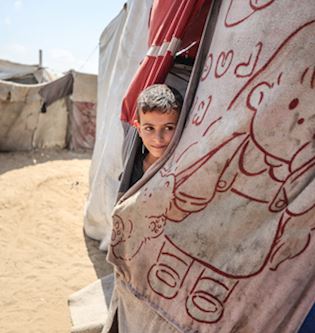
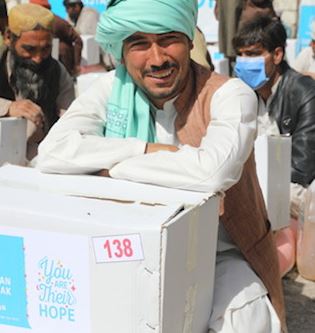
If you cannot host Iftar, you can support families who struggle to break their fast.
Feeding others during Ramadan carries immense reward and fulfills the spirit of Suhoor and Iftar.
Do These Rules Change Each Year?
No.
The rules of Suhoor and Iftar apply in Ramadan 2026 and every Ramadan. The only variation is the exact prayer time based on geographic location.
Always confirm accurate Fajr and Maghrib times using a reliable Ramadan timetable.
Related Ramadan Fasting Guides
To deepen your understanding of Ramadan fasting, read:
-
What Breaks Your Fast in Ramadan
-
Fidyah and Kaffarah Explained
-
Zakat al Fitr Rules and Deadline
-
Laylat al Qadr: Meaning and Rewards
-
Ramadan Timetable for Your City
-
How to Pray Taraweeh
These guides build a complete understanding of fasting in Ramadan.
Final Key Takeaways
-
Suhoor is the pre-dawn meal before Fajr.
-
Iftar is the breaking of the fast at sunset.
-
Suhoor ends at Fajr.
-
Iftar begins at Maghrib.
-
The Sunnah is to delay Suhoor and hasten Iftar.
-
Correct timing ensures a valid fast.
Understanding Suhoor and Iftar correctly protects your worship and aligns your Ramadan with authentic prophetic guidance.