


Fidyah and Kaffarah in Ramadan: When Each Applies and What to Do
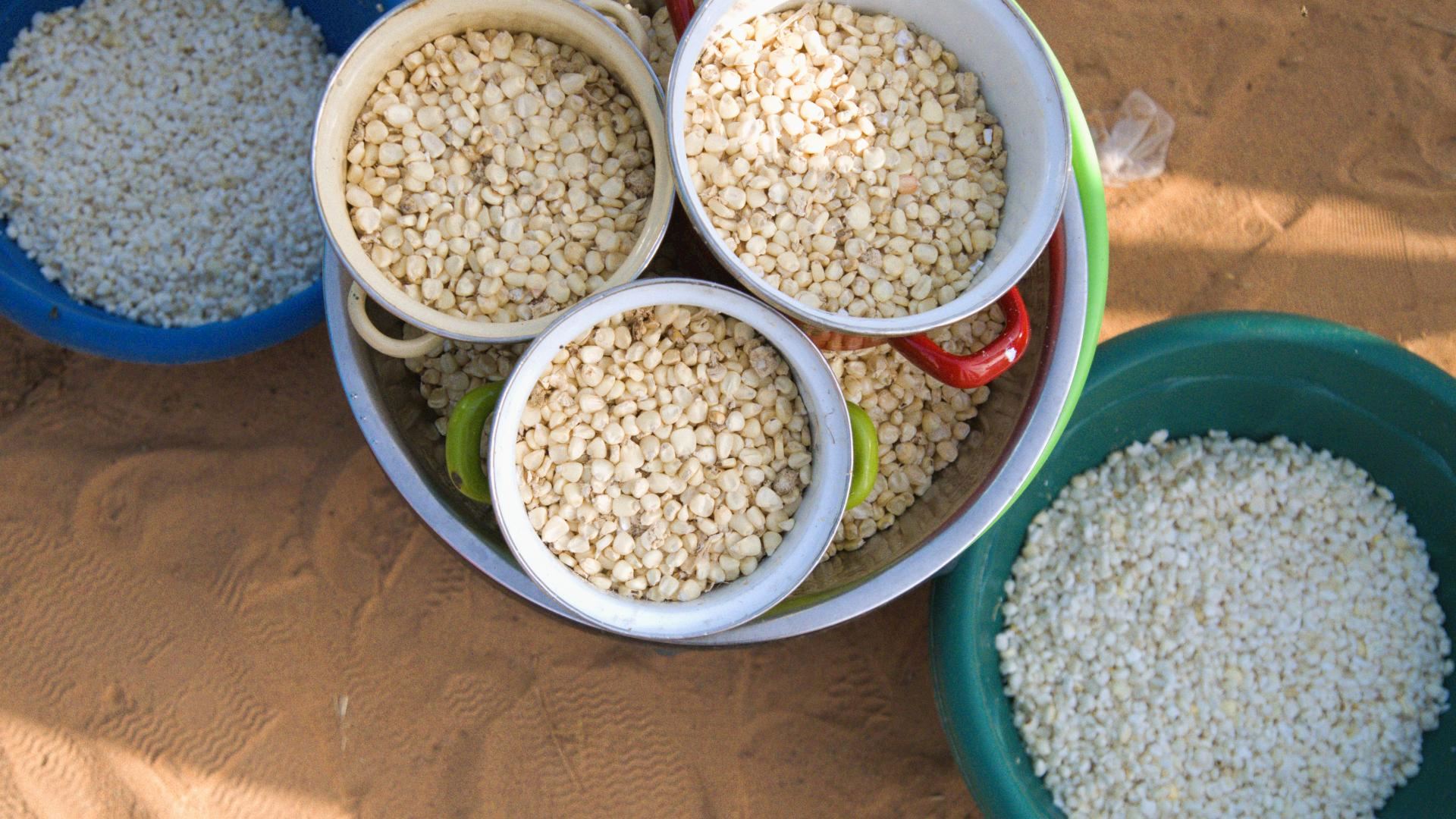
Fidyah and Kaffarah are two Islamic compensations for missed fasts in Ramadan.
Fidyah applies when someone cannot fast long-term due to illness or age and requires feeding one person for each missed fast. Kaffarah applies when a fast is intentionally broken without a valid excuse and requires feeding 60 people or fasting 60 consecutive days. Both allow Muslims to fulfill their obligation with mercy and care.
Do You Still Need to Make Up Missed Fasts?
In many cases, yes.
If a missed fast can be made up later, Qada is required, even if charity is also given. Fasting the missed days fulfills the original obligation.
If the fast cannot be made up later due to permanent illness or old age, Fidyah replaces Qada.
Kaffarah does not usually replace making up the fast. It is an additional responsibility when a fast is broken intentionally.
| Category | Fidyah | Kaffarah |
|---|---|---|
| Applies when | Unable to fast long-term | Fast broken intentionally |
| Purpose | Compensation | Expiation |
| Amount | $8 per missed fast | $480 per fast |
| Outcome | Feeds one person | Feeds 60 people |
What Is Fidyah in Ramadan?
Fidyah is required when a person cannot fast and cannot make up the fast later.
Fidyah applies if:
-
You are elderly and fasting causes serious hardship
-
You have a chronic illness with no expectation of recovery
-
A long-term medical condition permanently prevents fasting
Instead of fasting, Islam allows you to feed one person in need for each missed day.
How much is Fidyah?
-
$8 per missed fast
-
$240 for the full month of Ramadan (30 days)
What If You Missed Fasts Due to Pregnancy or Temporary Illness?
Pregnancy, breastfeeding, and short-term illness are treated differently.
If fasting was unsafe at the time but you are able to fast later, the missed fasts should be made up through Qada.
In some scholarly opinions, Fidyah may also be required if the missed fasts are delayed without a valid reason or if hardship continues.
Because circumstances vary, many people choose to give Fidyah while also planning to make up fasts later, especially when unsure.
Can You Owe Both Qada and Fidyah?
Yes, in certain situations.
You may owe both if:
-
Fasts were missed temporarily
-
They were not made up within a reasonable time
-
Additional hardship or delay occurred
This is one of the most common areas of confusion. When in doubt, giving Fidyah ensures that those in need benefit while you seek further guidance.
What Is Kaffarah for Breaking a Fast?
Kaffarah is required when a fast is intentionally broken without a valid excuse.
This is a serious matter, which is why the compensation is greater.
Kaffarah applies if:
-
A fast is deliberately broken without necessity
Kaffarah is fulfilled by:
-
Fasting 60 consecutive days, or
-
Feeding 60 people in need if fasting is not possible
Kaffarah amount:
-
$480 per broken fast
Can Fidyah or Kaffarah Be Paid During Ramadan?
Yes. Both Fidyah and Kaffarah can be paid during Ramadan, and many scholars encourage doing so during the month itself.
Giving during Ramadan ensures those in need receive food at the most critical time, while allowing you to fulfill your obligation promptly.
How Your Fidyah and Kaffarah Help Others
Your contribution helps:
- Provide hot, nourishing meals
- Support families facing food insecurity
- Turn missed fasts into direct relief
This transforms obligation into impact.
What If You Are Unsure Which Applies to You?
If you are unsure whether Fidyah, Kaffarah, or Qada applies to your situation, you are not alone.
Islam encourages seeking knowledge and acting with sincerity. Consulting a trusted scholar or imam can bring clarity. In the meantime, many choose to give charity to ensure their missed fasts still benefit others.