


Ramadan Fasting Rules: What Breaks Your Fast?
Ramadan fasting rules are clear, but many Muslims still have questions about what is required, what breaks a fast, and how to fast correctly. Understanding the rules of fasting in Ramadan helps you observe this sacred month with confidence and peace of mind.
Fasting is more than avoiding food and drink. It is an act of worship built on intention, discipline, and obedience to Allah.
What Are the Ramadan Fasting Rules?
The core Ramadan fasting rules are simple.
From dawn (Fajr) until sunset (Maghrib), you must:
- Avoid eating intentionally
- Avoid drinking intentionally
- Avoid intimate relations
- Avoid deliberate vomiting
Fasting also includes guarding your speech and behavior. Lying, backbiting, and anger do not invalidate the fast, but they reduce its reward.
The fast begins at Fajr and ends at Maghrib. Eating before dawn (suhoor) is encouraged. Breaking the fast immediately at sunset follows the Sunnah.
How to Make Niyyah for Ramadan Fasting
Niyyah for fasting is the intention in your heart to fast for the sake of Allah.
You do not need to say anything out loud. The intention must be present before Fajr each day.
Some scholars allow one intention at the start of Ramadan, while others recommend renewing it nightly. Renewing it daily ensures clarity and focus.
The key is sincerity. You are fasting because Allah has commanded it.
What Breaks Your Fast in Ramadan?
Many people ask: what breaks your fast in Ramadan?
The following invalidate the fast if done intentionally:
Eating or drinking deliberately
Intimate relations during fasting hours
Deliberate vomiting
Menstruation or postnatal bleeding
If someone eats or drinks forgetfully, the fast remains valid.
If a fast is broken intentionally without valid reason, it must be made up. In certain cases, kaffarah may apply.
What Does NOT Break Your Fast?
There are many misunderstandings about Ramadan fasting rules. These actions do NOT break the fast:
- Brushing your teeth (without swallowing toothpaste)
- Showering
- Swallowing saliva
- Using miswak
- Applying perfume
- Receiving non-nutritional injections
Who Is Exempt from Fasting During Ramadan?
Islam provides mercy and flexibility.
The following are exempt:
- The sick
- Travelers
- Elderly individuals unable to fast
- Pregnant or breastfeeding women (if harm is feared)
- Women during menstruation
Missed fasts due to temporary reasons must be made up later.
Those with chronic illness or permanent inability to fast may need to give fidyah by feeding someone in need for each missed fast.
If You Cannot Fast, There Is Still a Way to Earn Reward
Not everyone is physically able to fast. Illness, age, or hardship may prevent it.
Islam does not burden a soul beyond its capacity.
If you are unable to fast permanently, you can fulfill your obligation by giving fidyah, which provides food to someone in need.
Common Misunderstandings About Ramadan Fasting
Some common misconceptions include:
- Accidentally swallowing water during wudu breaks the fast (it does not if unintentional).
- Waking up in a state of impurity invalidates the fast (it does not if ghusl is done before prayer).
- Feeling hunger means your fast is not accepted.
Ramadan fasting rules focus on intention and obedience, not perfection.
FAQs About Ramadan Fasting Rules
What are the rules for fasting during Ramadan?
You must abstain from food, drink, and intimacy from Fajr to Maghrib while maintaining sincere intention.
What happens if you break your fast in Ramadan?
If done unintentionally, the fast remains valid. If done intentionally without reason, the fast must be made up and may require kaffarah.
What time do you break your fast in Ramadan?
You break your fast at Maghrib, immediately after sunset.
Do you have to say niyyah out loud?
No. Niyyah is made in the heart.
Observe Ramadan with Knowledge and Purpose
Understanding Ramadan fasting rules allows you to worship with clarity and confidence.
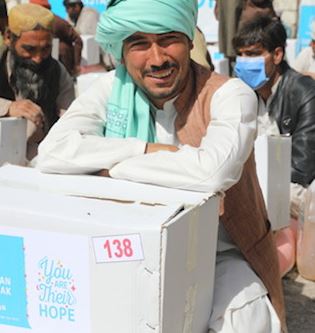
If you are unable to fast, consider supporting someone who can benefit from a meal this Ramadan.
Even if you are fasting, you can multiply your reward by helping others break theirs.